Somakro
Deliverables
Mobile App UI Design for On‑Demand Local Services
Year
2024
Industry
Gig Economy · On-Demand Local Services · Tech · Mobile App Design
Scope of Work
UI/UX DESIGN
WEBSITE DESIGN
DESIGN SYSTEM
PRODUCT DESIGN
Project Overview
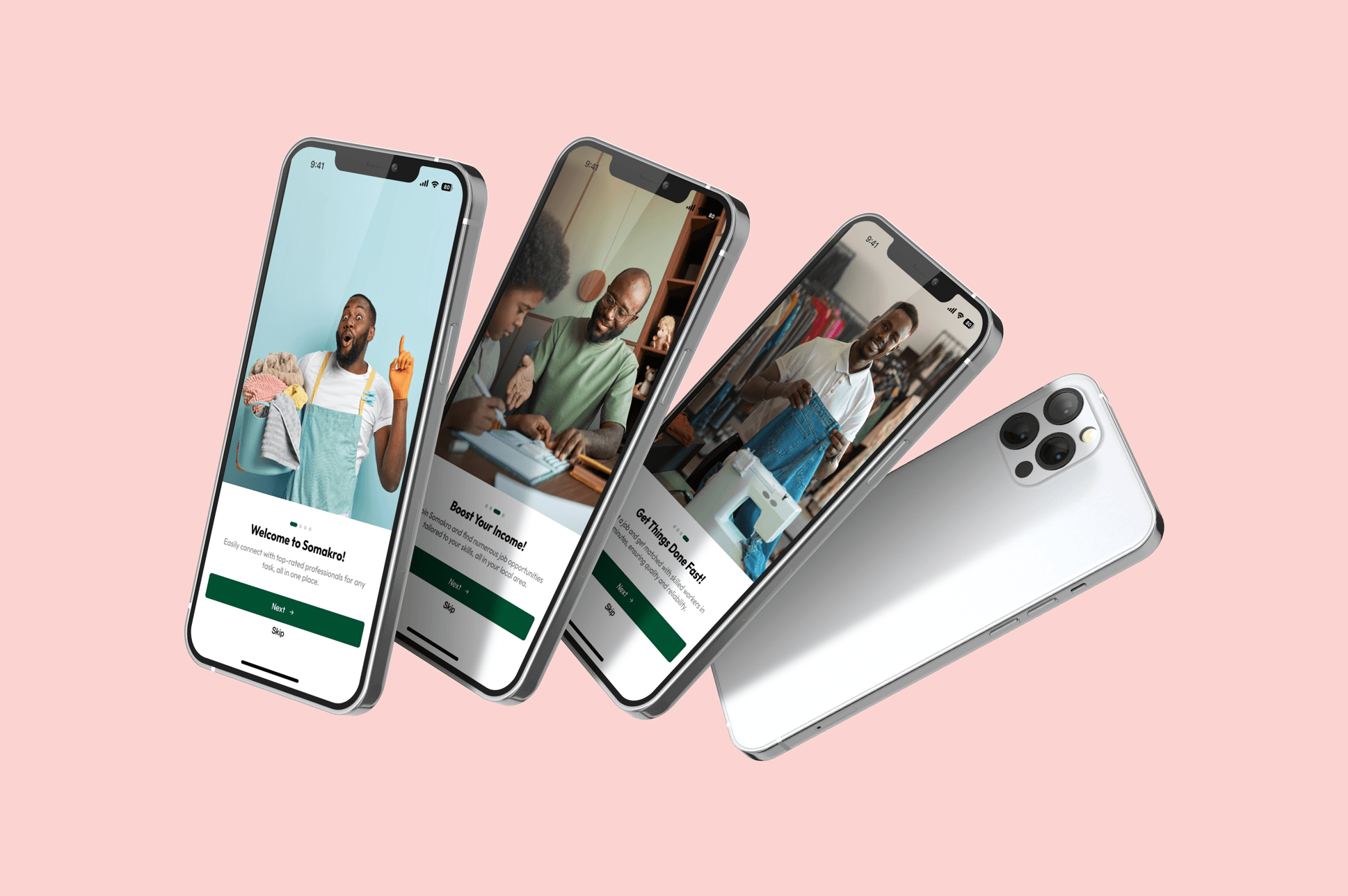
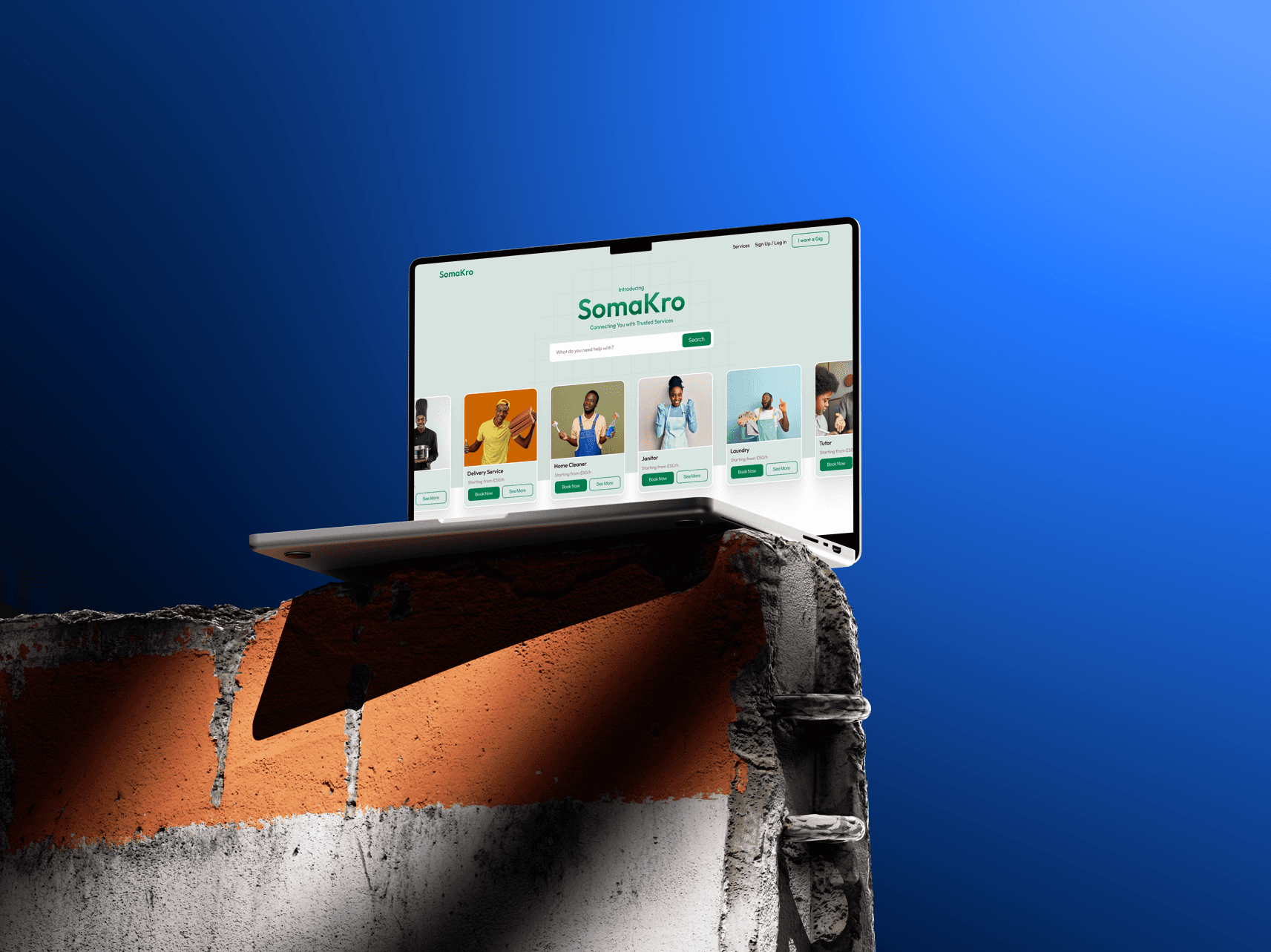
Somakro is a mobile platform designed to help users quickly find trusted local service providers for everyday tasks — from repairs to installations to home errands. Many users struggle to find reliable help, and existing tools lack transparency, trust, and smooth booking experiences. My goal was to create a platform where users feel confident, supported, and in control throughout the entire service-request process.
My Role
As the solo designer, I led the end-to-end experience, ensuring the platform worked seamlessly for both insurance adjusters and vehicle owners.
I interviewed homeowners, renters, and working professionals to understand their frustrations with service providers — trust issues, slow responses, unclear pricing, and inconsistent quality.
I explored different flows for booking services, reviewing providers, and tracking job status. I built interactive prototypes that simulated the full booking-to-completion journey.
User testing revealed areas where the flow felt confusing — especially during provider selection and payment. I refined the structure to feel faster and more reassuring.
I worked closely with engineers to ensure the booking flow, real-time updates, and provider profiles worked smoothly and matched the design vision.
The Problem
Finding reliable service providers is often frustrating. Users struggle with unclear pricing, unverified workers, inconsistent quality, and slow communication. Most existing platforms feel outdated or overwhelming, failing to provide transparency and trust. The challenge was to design a system that makes booking services feel simple, safe, and dependable.
The Solution
I designed Somakro to make finding and booking reliable service providers effortless and trustworthy.
User-Centered Design: The platform guides users step-by-step, reducing stress and uncertainty during the booking process.
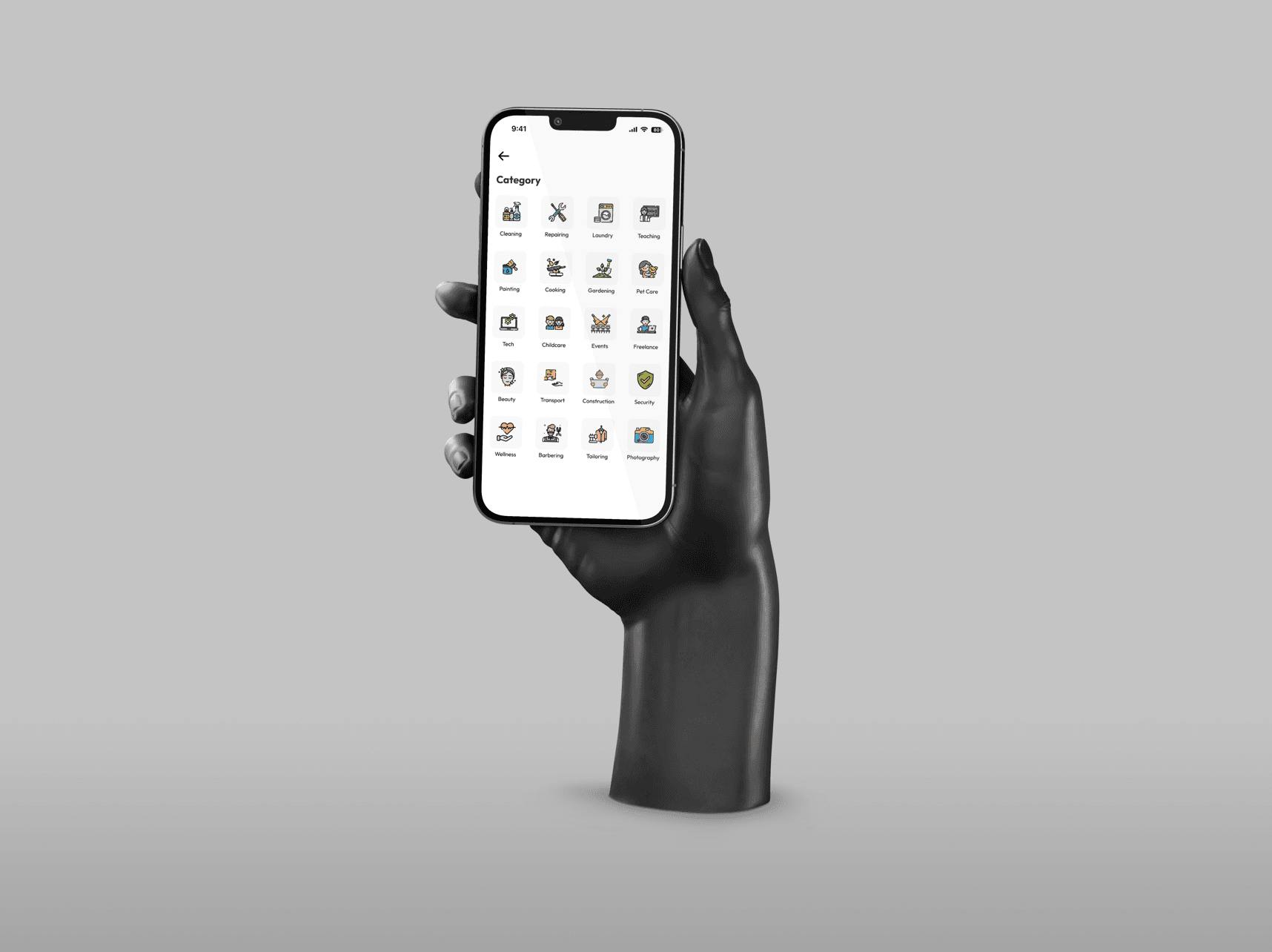
Clear Interface: Clean layouts, simple categories, and predictable navigation ensure users always know what to do next.
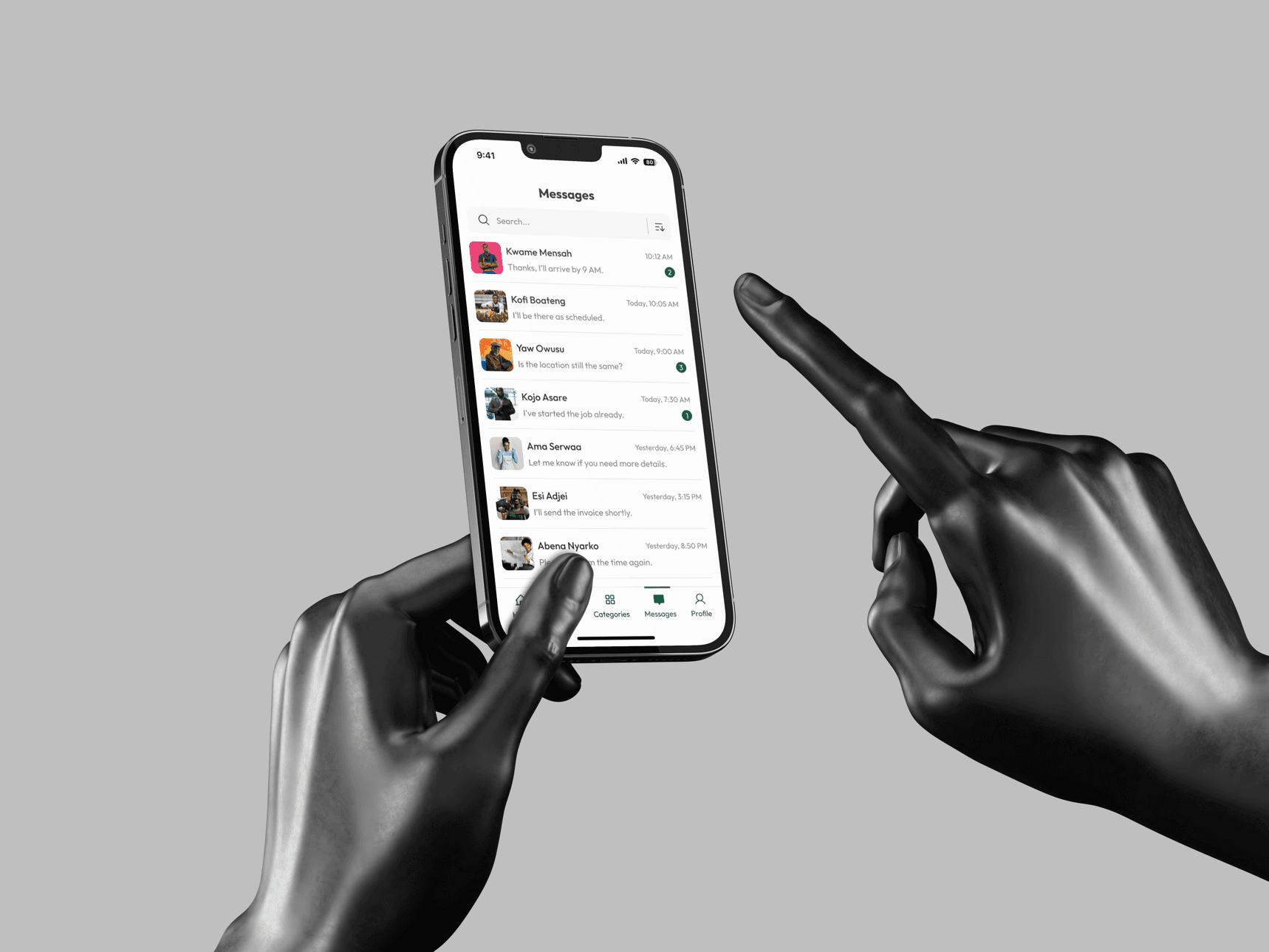
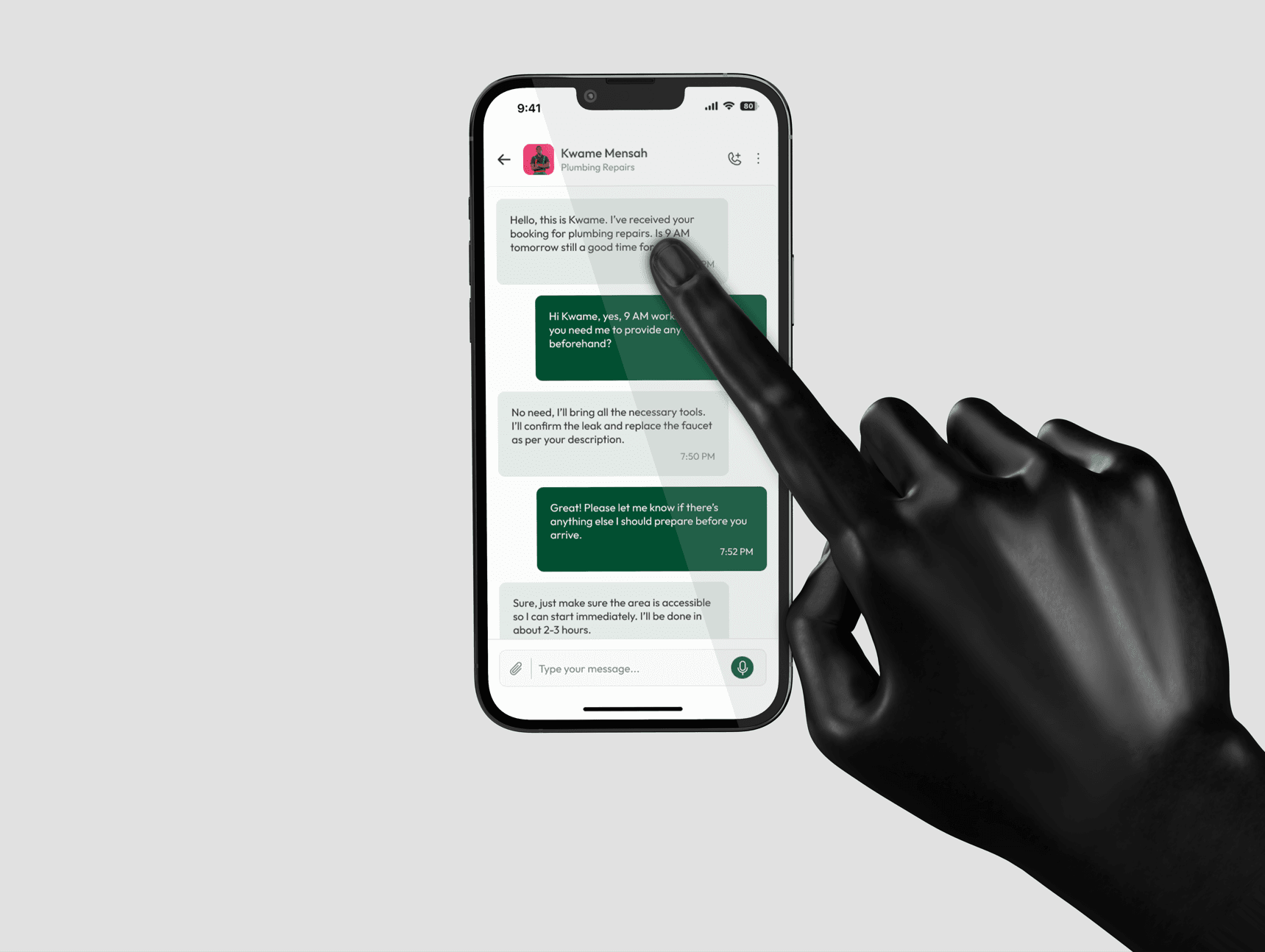
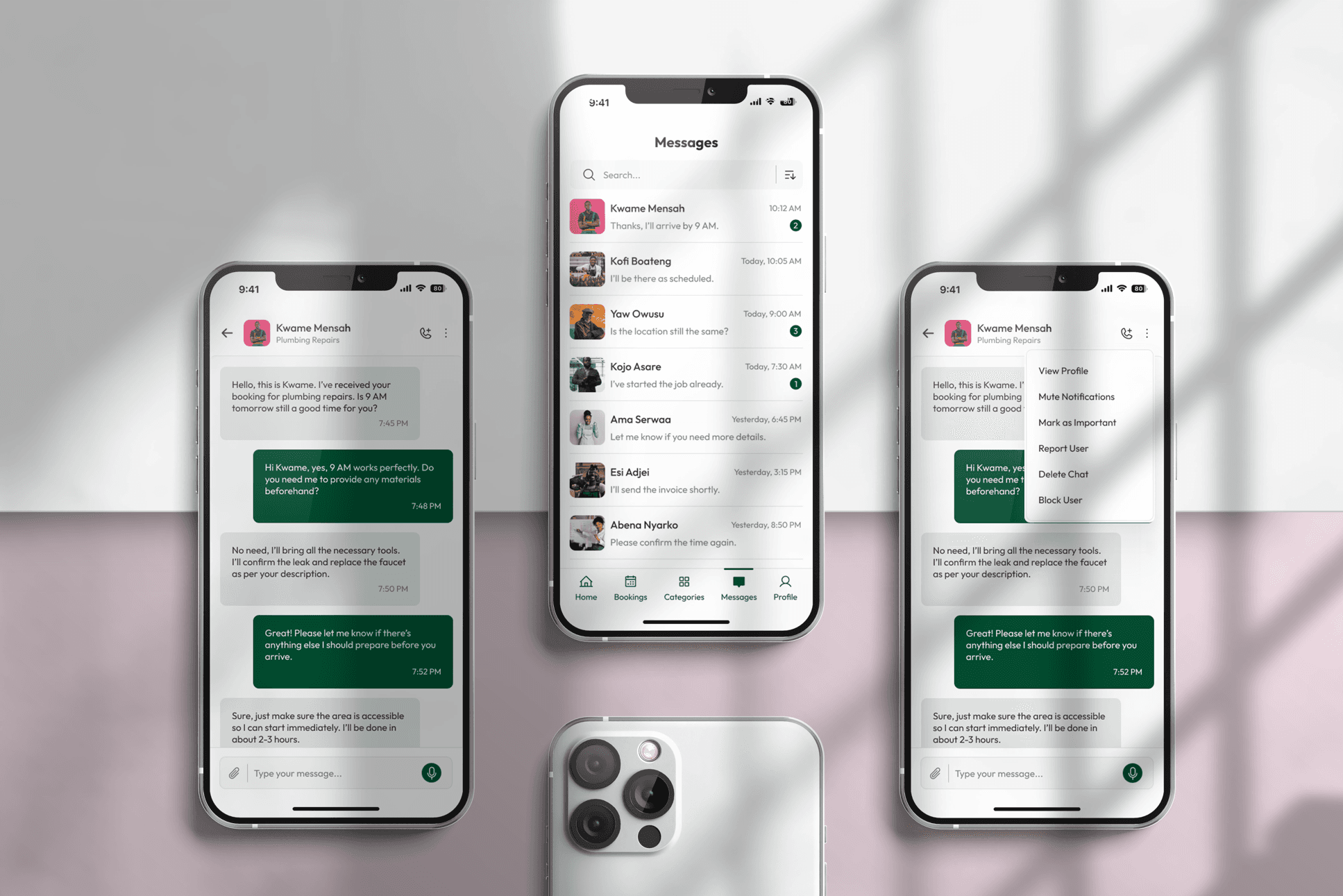
Real-Time Feedback: Users receive instant updates — provider acceptance, ETA, job progress, and payment confirmation.
Design Process
1
User Research
I conducted interviews across households and small businesses to learn their service-booking challenges. Users wanted transparency, verified workers, and faster booking. Providers wanted better visibility and clear job requests. These insights shaped how the platform handles trust, communication, and workflow.
2
Wireframing & Prototyping
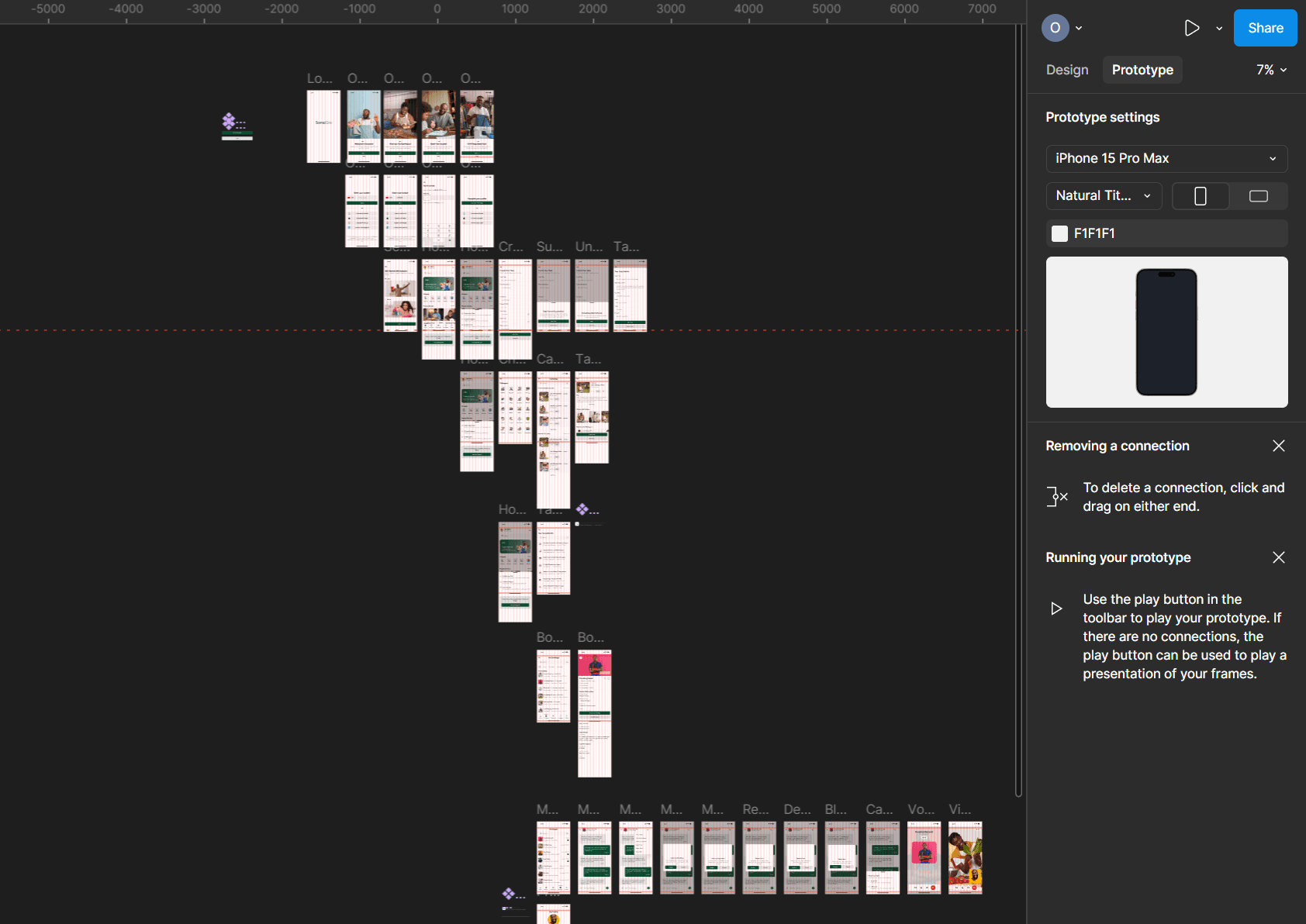
I began with basic wireframes to outline category selection, booking steps, and provider profiles. I transformed these into interactive prototypes that simulated choosing a service, booking a provider, and tracking the job. This allowed me to validate the booking flow and refine interactions before moving to final design.
3
User Testing
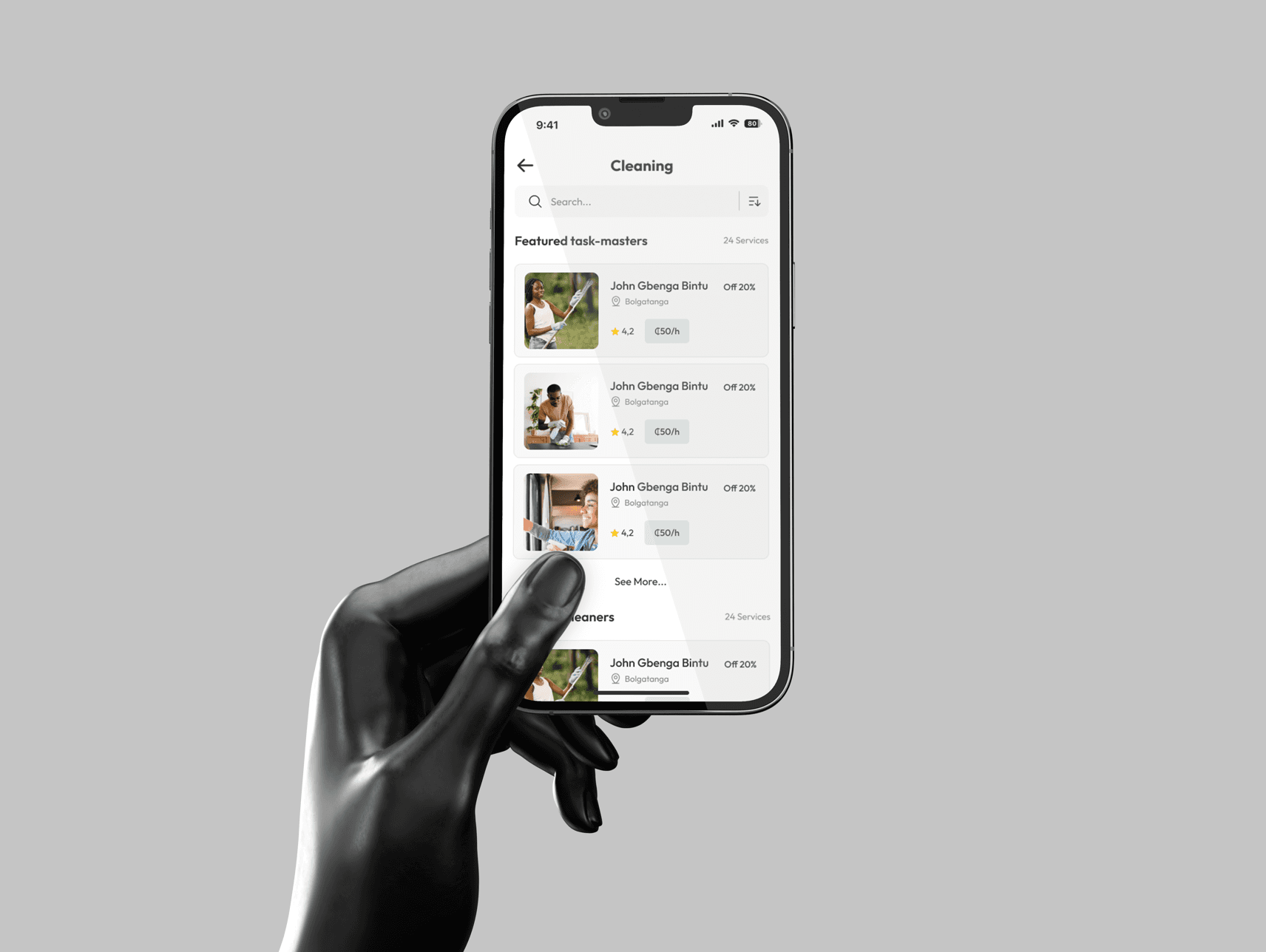
I tested the prototypes with real users to identify confusion points. Many struggled with comparing providers, so I redesigned the provider cards to highlight ratings, pricing, and verification badges. Users also wanted reassurance during the booking process, so I added clear progress indicators and confirmation screens.
4
Final Design
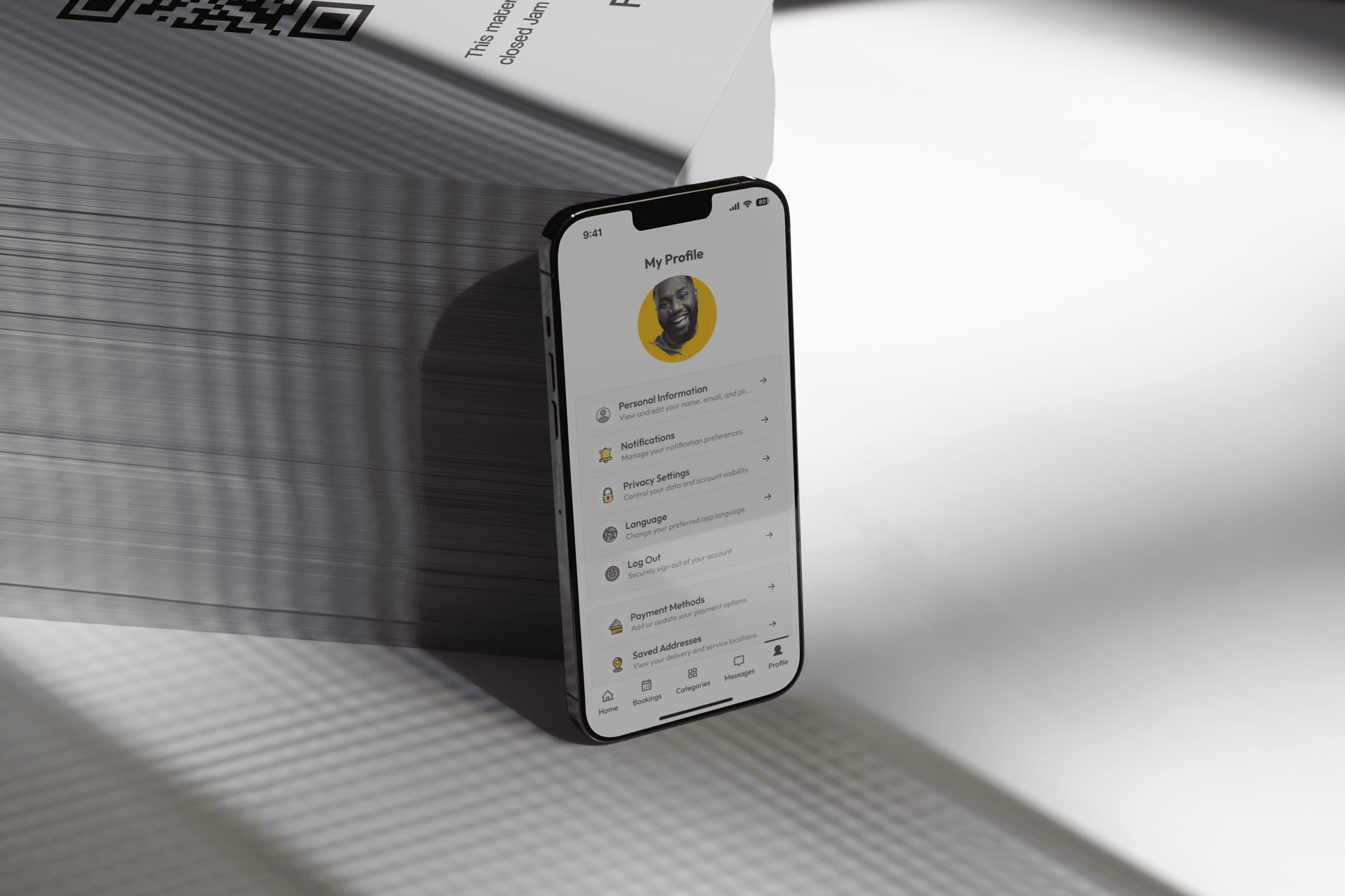
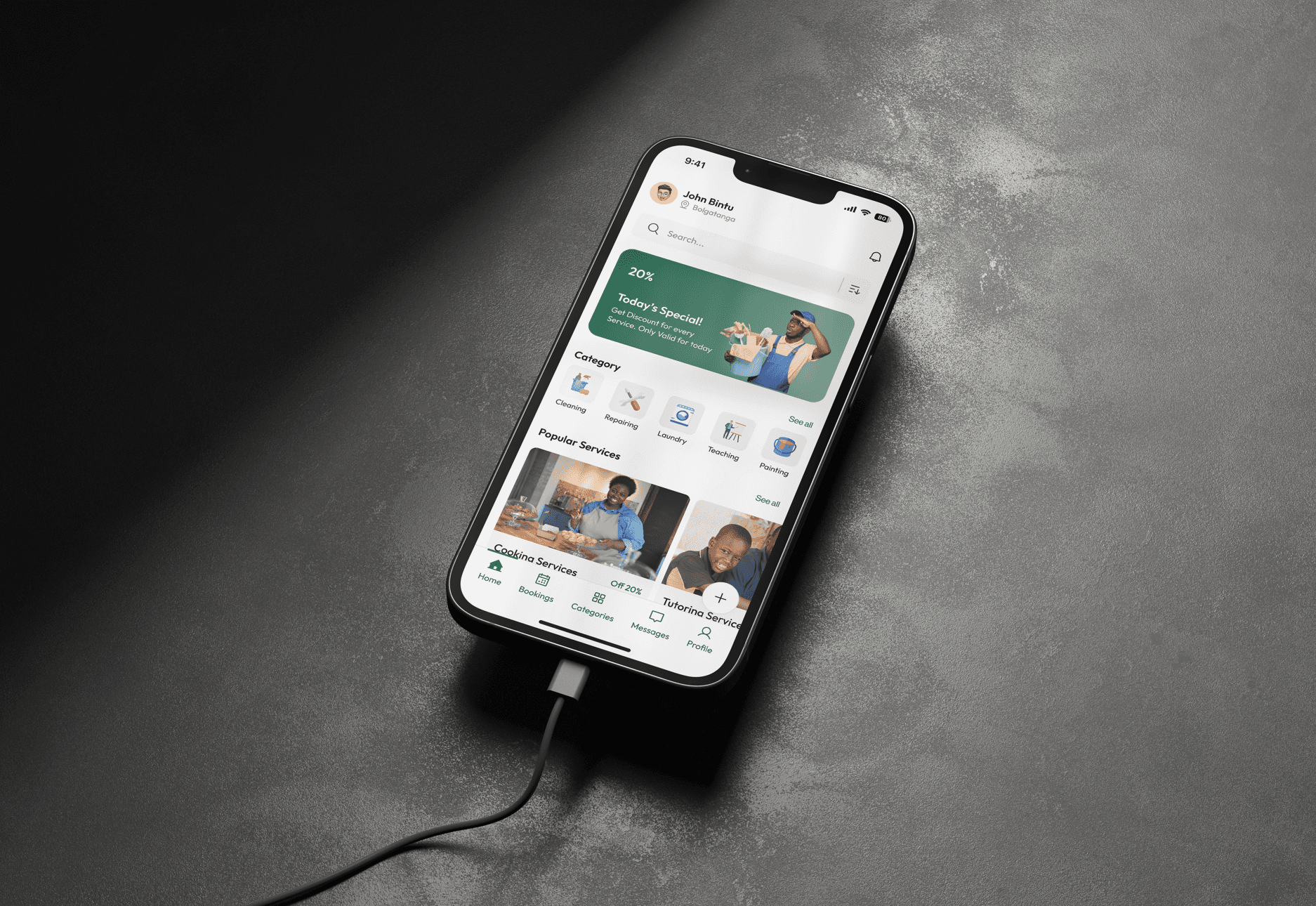
The final design delivers a clean, warm, and trustworthy experience. Categories are simple, providers are clearly verified, and the booking flow requires minimal steps. The visual design emphasizes clarity, familiarity, and comfort.
Challenges
I faced several challenges during the project:
1
Building trust through design: Users needed to feel safe when selecting service providers for their homes.
2
Balancing simplicity with detailed information: Provider details had to be thorough but not overwhelming.
What I Learnt
This project taught me valuable lessons that shaped my approach to designing service platforms.
User feedback is crucial: Testing helped uncover areas users found intimidating or unclear.
Iterative design is key: Each revision improved clarity, trust, and ease of use.
Designing for trust is intentional: Small details — badges, verified labels, clear progress steps — build confidence.


Impact
The platform showed positive results after testing and early releases
User Satisfaction: Users reported feeling more confident booking providers through Somakro.
Efficiency: The simplified flow reduced booking time and steps.
Engagement: Clear categories and verified providers encouraged users to explore more services.
Conclusion
This project reinforced the importance of trust-centered design. By focusing on clarity, communication, and user confidence, I created a platform that makes accessing everyday services simple and reliable for everyone.