Digital Asset Valuation Platform
Deliverables
DIGITAL ASSET VALUATION
Year
2024
Industry
INSURTECH
Scope of Work
UI/UX DESIGN
WEBSITE DESIGN
DESIGN SYSTEM
PRODUCT DESIGN
Project Overview
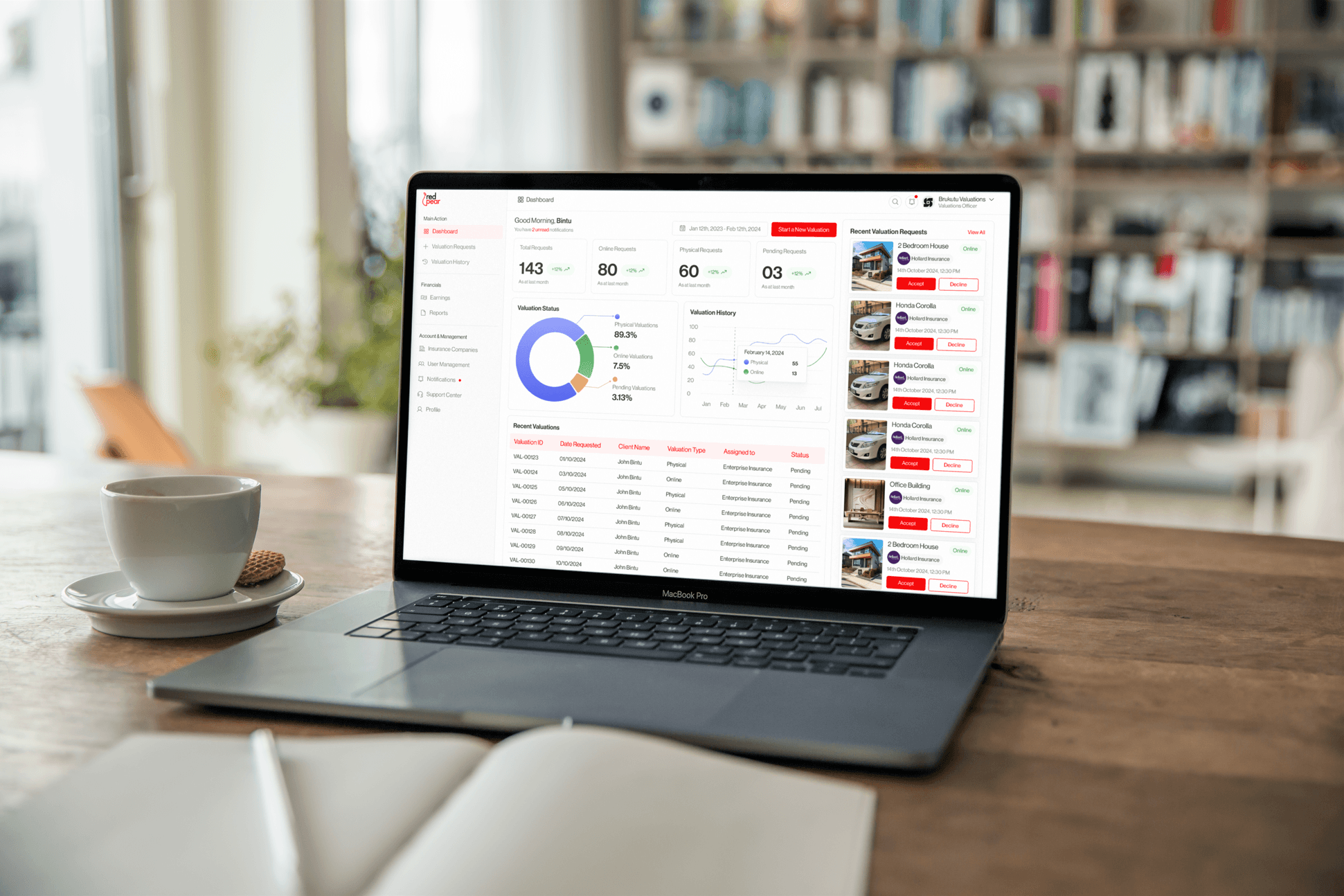
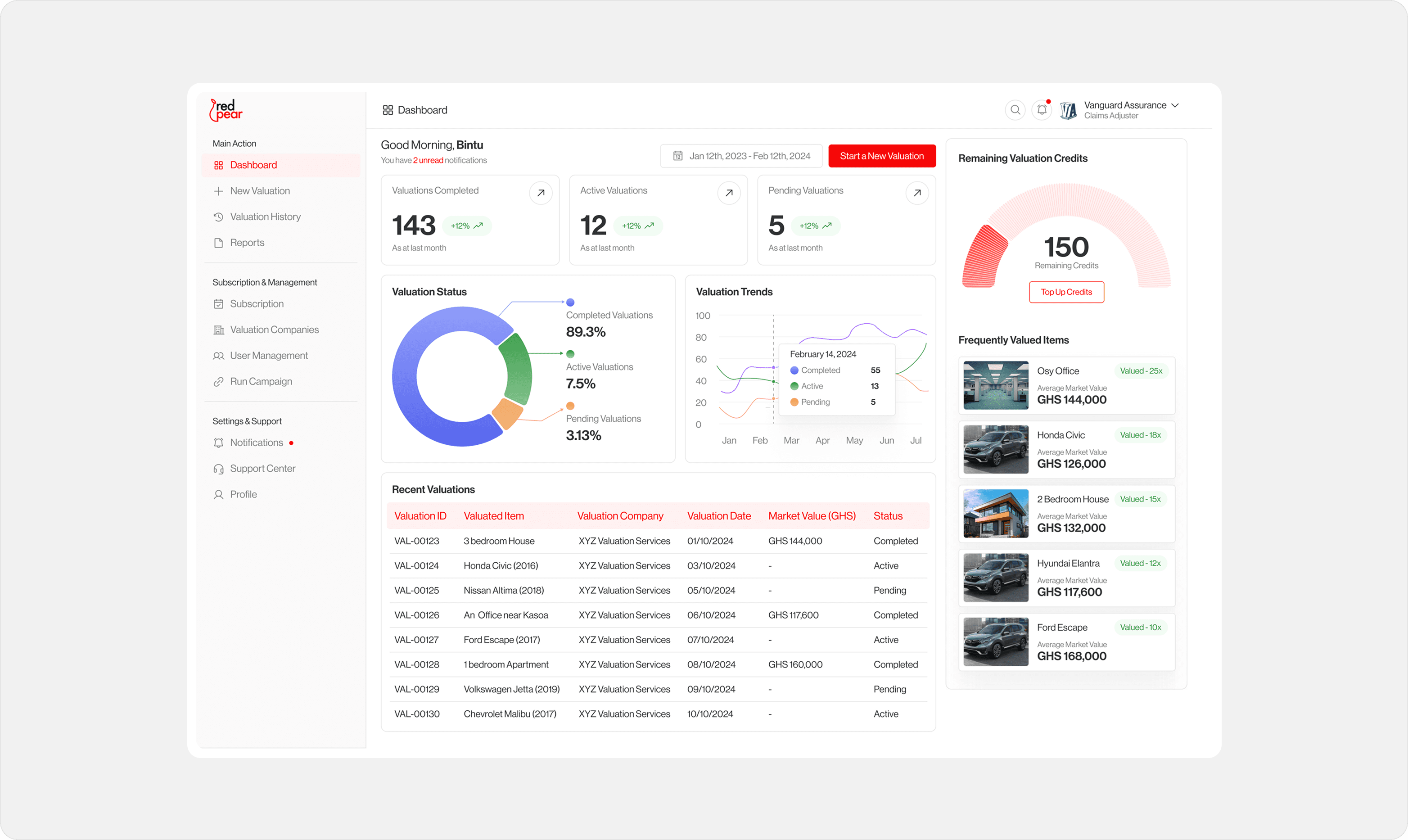
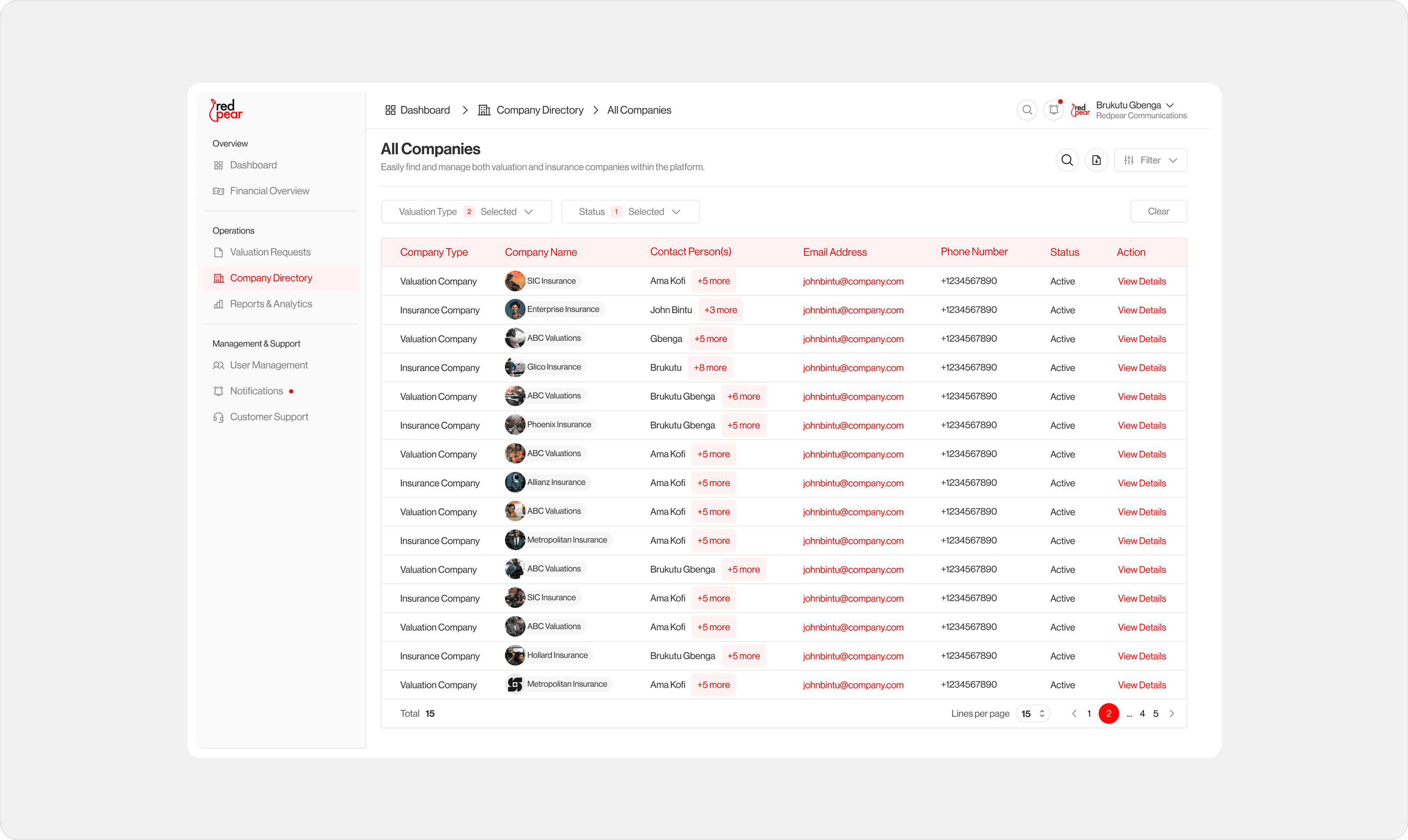
The Digital Assert Valuation Platform was designed to simplify asset valuation, making it accessible and user-friendly. My goal was to create a tool that allows users to easily assess asset values in a straightforward, efficient process.
My Role
The Digital Assert Valuation Platform was designed to simplify asset valuation, making it accessible and user-friendly. My goal was to create a tool that allows users to easily assess asset values in a straightforward, efficient process.

Researching user needs
Designing wireframes and prototypes
Iterating based on feedback
Collaborating with developers for the final implementation
The Problem
The challenge was to create a valuation tool that could simplify the asset assessment process for users unfamiliar with technical valuation methods. Previous systems were too complex and required expertise that most users didn’t have.
The Solution
To solve the problem, I implemented a user-centered design, focusing on simplicity, speed, and accessibility.
Simplified asset valuation process through clear, step-by-step navigation.
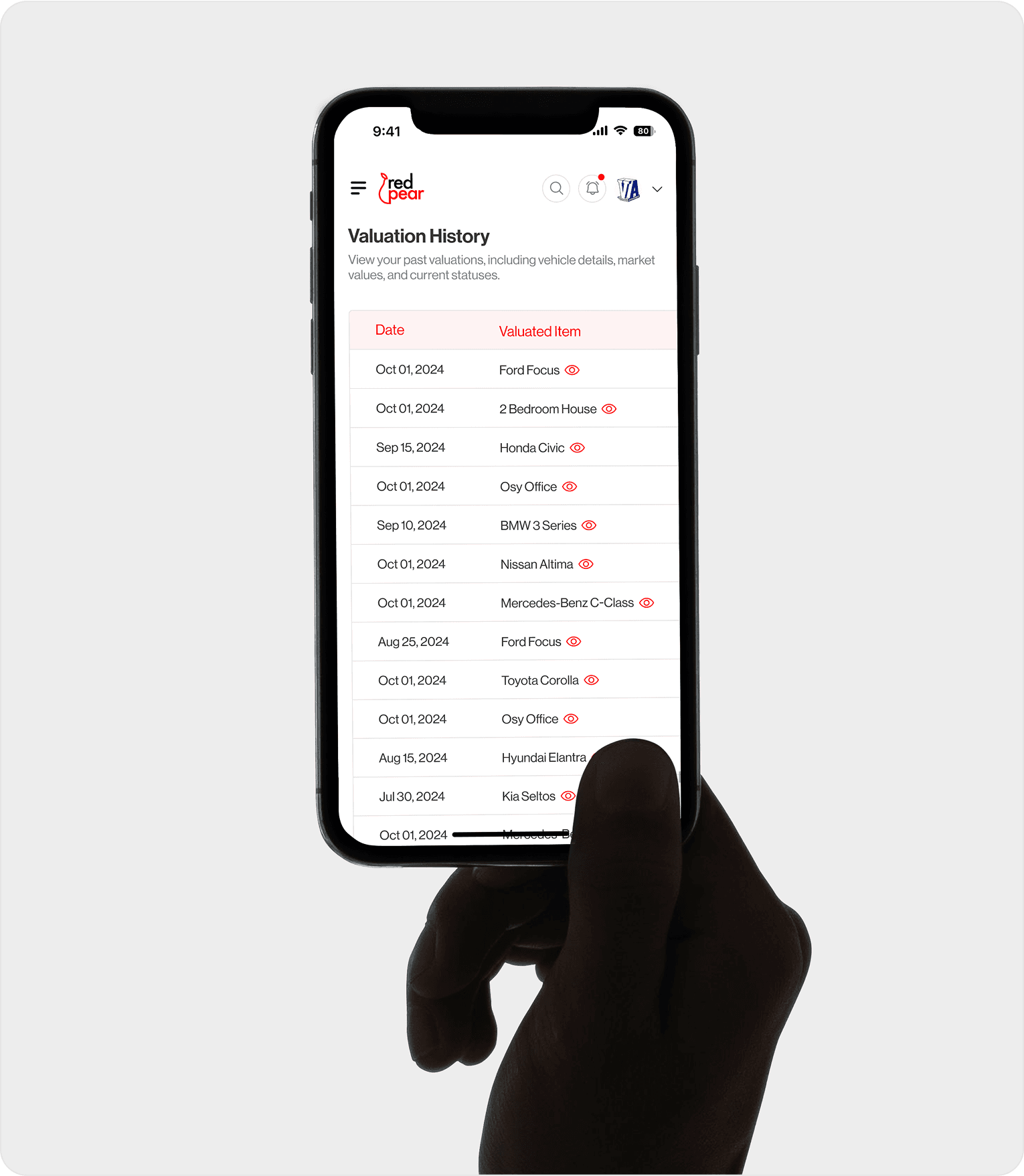
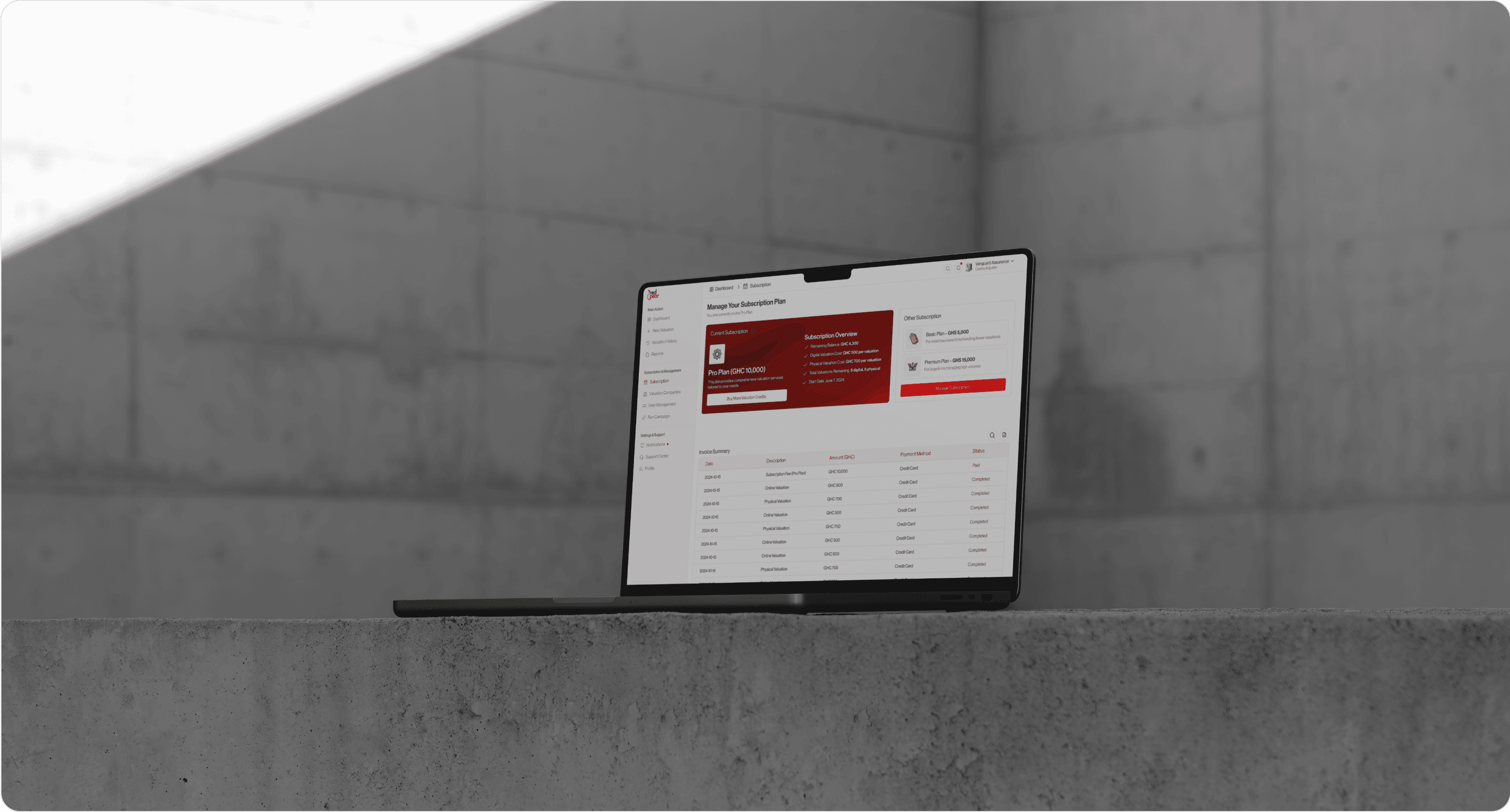
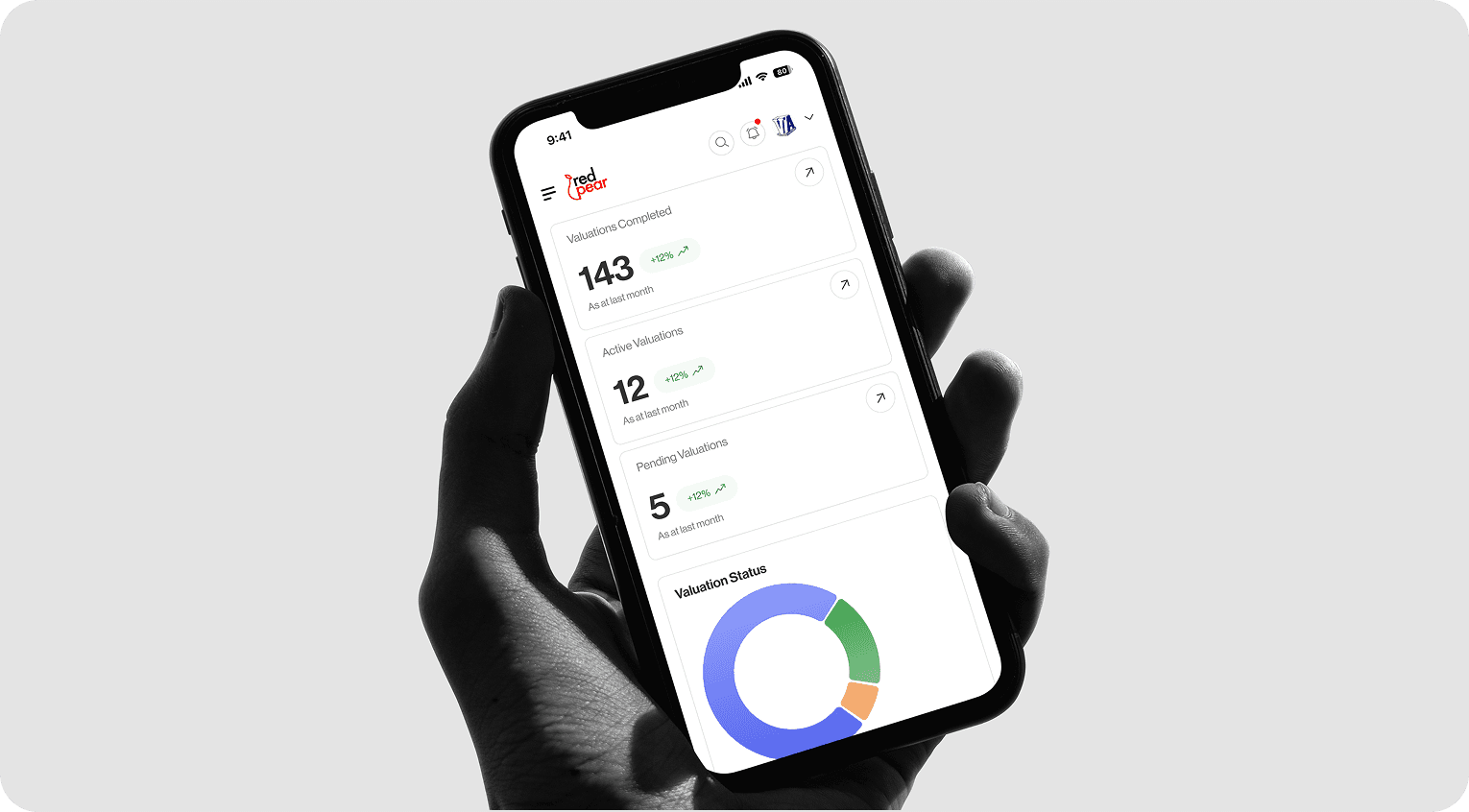
Responsive design for easy access across devices, ensuring flexibility for all users.
Real-time tracking and updates for all stakeholders, reducing miscommunication and delays.
Design Process
1
User Research
I interviewed stakeholders from insurance companies and vehicle owners. I studied pain points such as slow turnaround times, repeated manual errors, and lack of transparency. I created personas to guide design decisions.
2
Wireframing and Prototyping
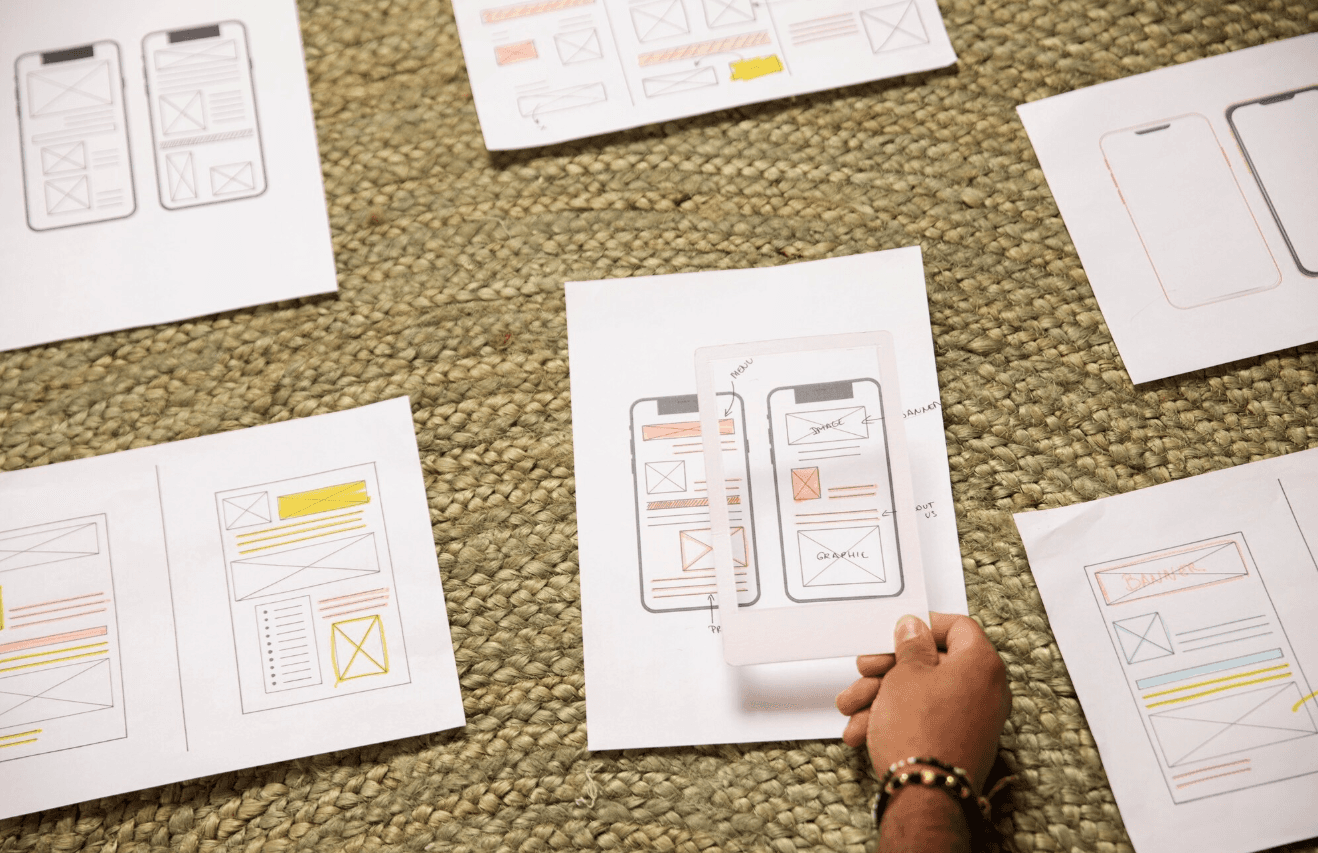
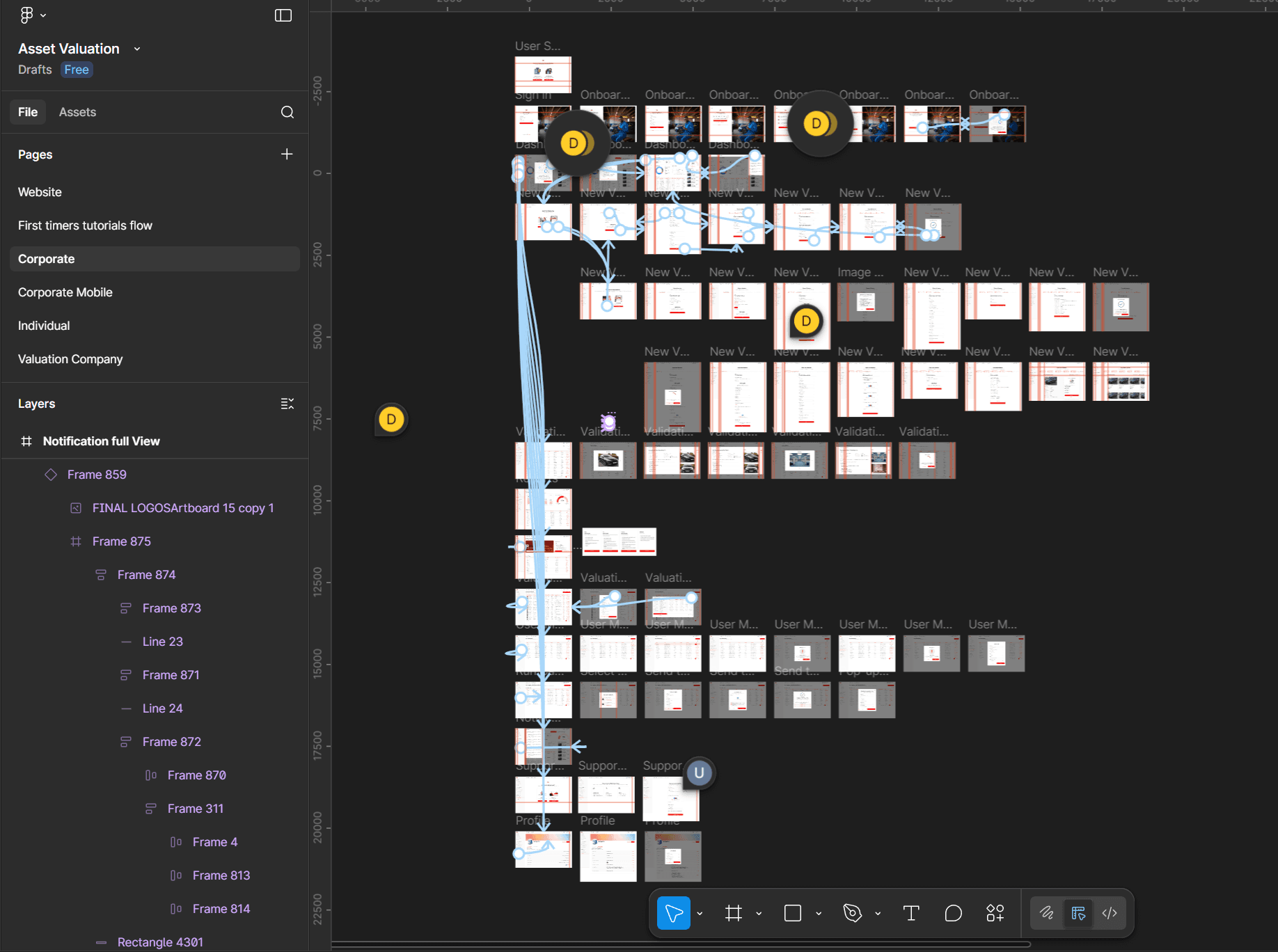
I created early wireframes to define user flow. I built interactive prototypes in Figma to explore different valuation paths and test task completion speed.
3
Usability Testing
I tested the prototype with real users to uncover friction points. I focused on navigation clarity, readability, and how fast users could complete the valuation steps. I improved the design based on their feedback.
4
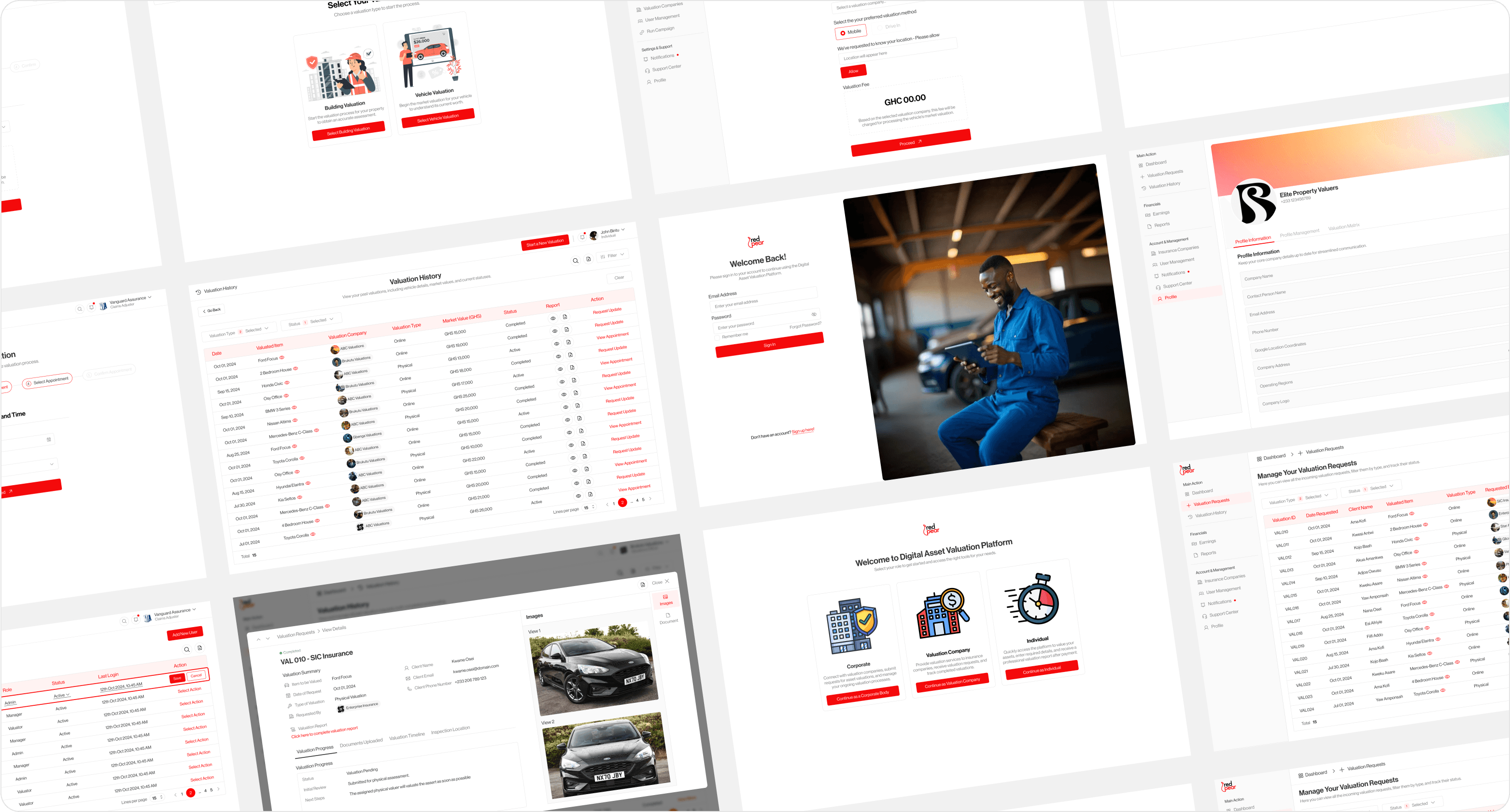
Final Design
I produced high-fidelity designs with emphasis on accessibility and mobile responsiveness. I collaborated with developers to ensure layout accuracy and real-time update logic.
Challenges
Challenges faced during the project included
1
Simplifying a technically complex process while maintaining data integrity.
2
Ensuring mobile responsiveness to accommodate users in varying environments.
What I learnt
his project was a valuable learning experience. Key takeaways include:
The importance of user feedback early in the design process to guide decisions and avoid costly revisions.
Iterative design proved crucial to improving user experience and aligning with user needs.
Balancing simplicity with functionality was challenging but essential for the final product.


Impact
The platform delivered tangible improvements:
Efficiency increased by 30%, with users able to complete valuations faster than previous methods.
User satisfaction rose by 25%, based on post-launch feedback.
Real-time feedback and updates kept users informed, enhancing engagement and reducing frustration.
Conclusion
This project reinforced the importance of designing for the user. By prioritizing simplicity, feedback, and accessibility, I was able to deliver a solution that not only simplified the asset valuation process but also empowered users to take control of their valuation needs.