RideShare
Deliverables
RIDE SHARING PLATFORM
Year
2023
Industry
INSURTECH
Scope of Work
UI/UX DESIGN
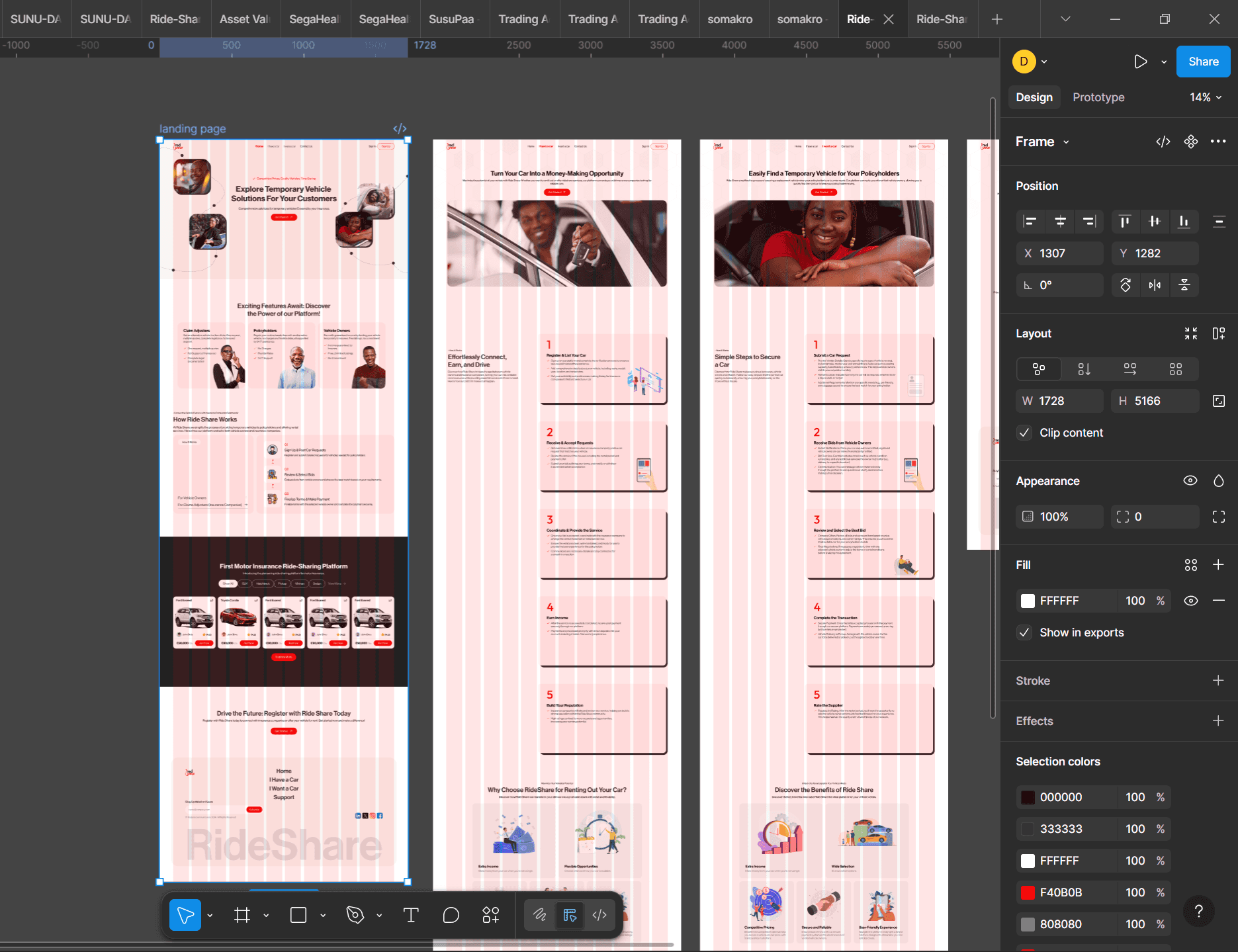
WEBSITE DESIGN
DESIGN SYSTEM
PRODUCT DESIGN
Project Overview
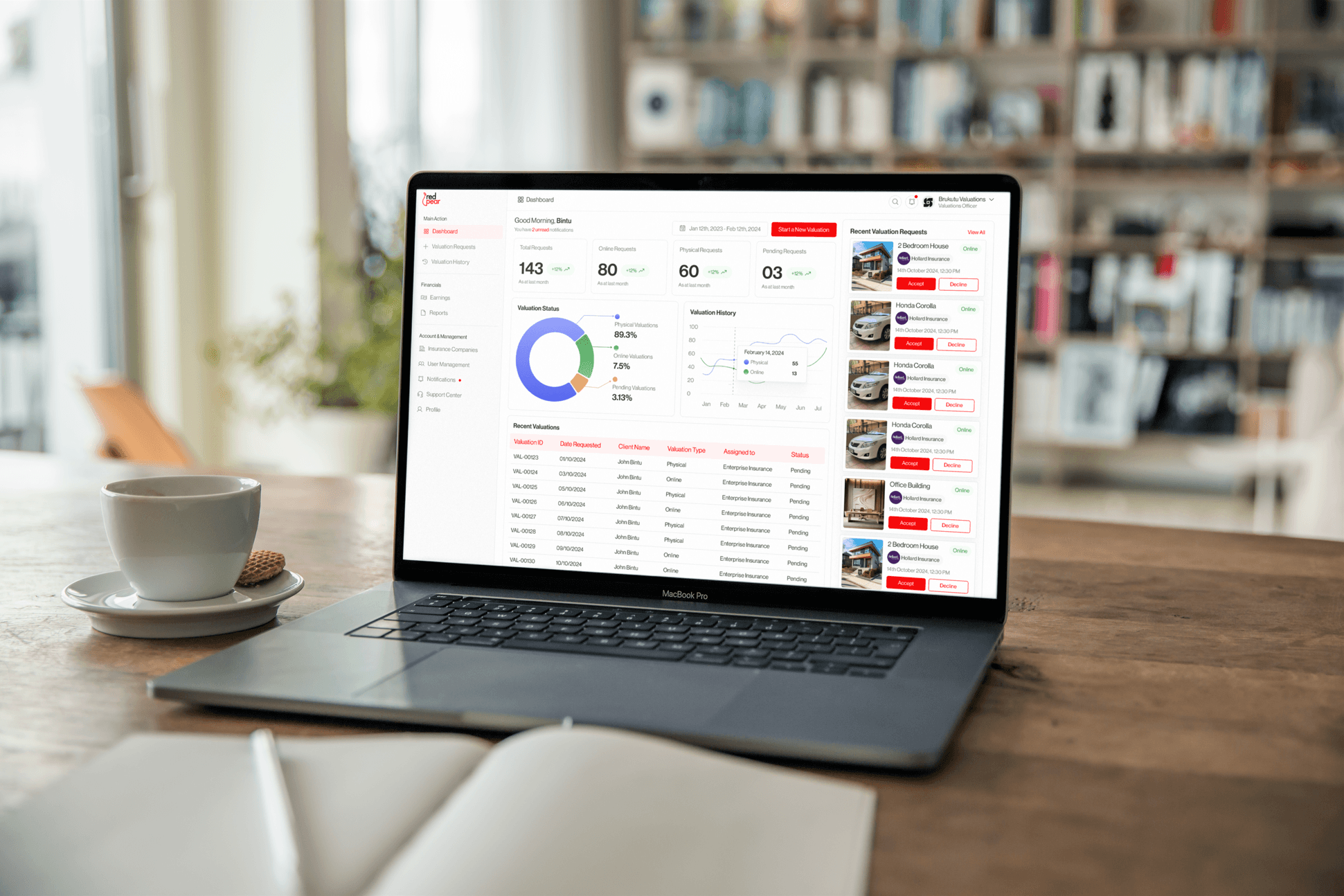
RideShare is a platform designed to help insurance companies quickly secure temporary replacement vehicles for policyholders whose cars are undergoing repairs. Traditional processes involve scattered communication, long delays, and manual follow-ups between insurers and vehicle owners. My goal was to build a streamlined system that improves transparency, speeds up decision-making, and gives both sides a smooth, structured rental experience.
My Role
As the solo designer, I led the end-to-end experience, ensuring the platform worked seamlessly for both insurance adjusters and vehicle owners.

Researching user needs: I interviewed insurance adjusters and car owners to uncover pain points like slow communication, manual pricing, and unclear booking workflows.
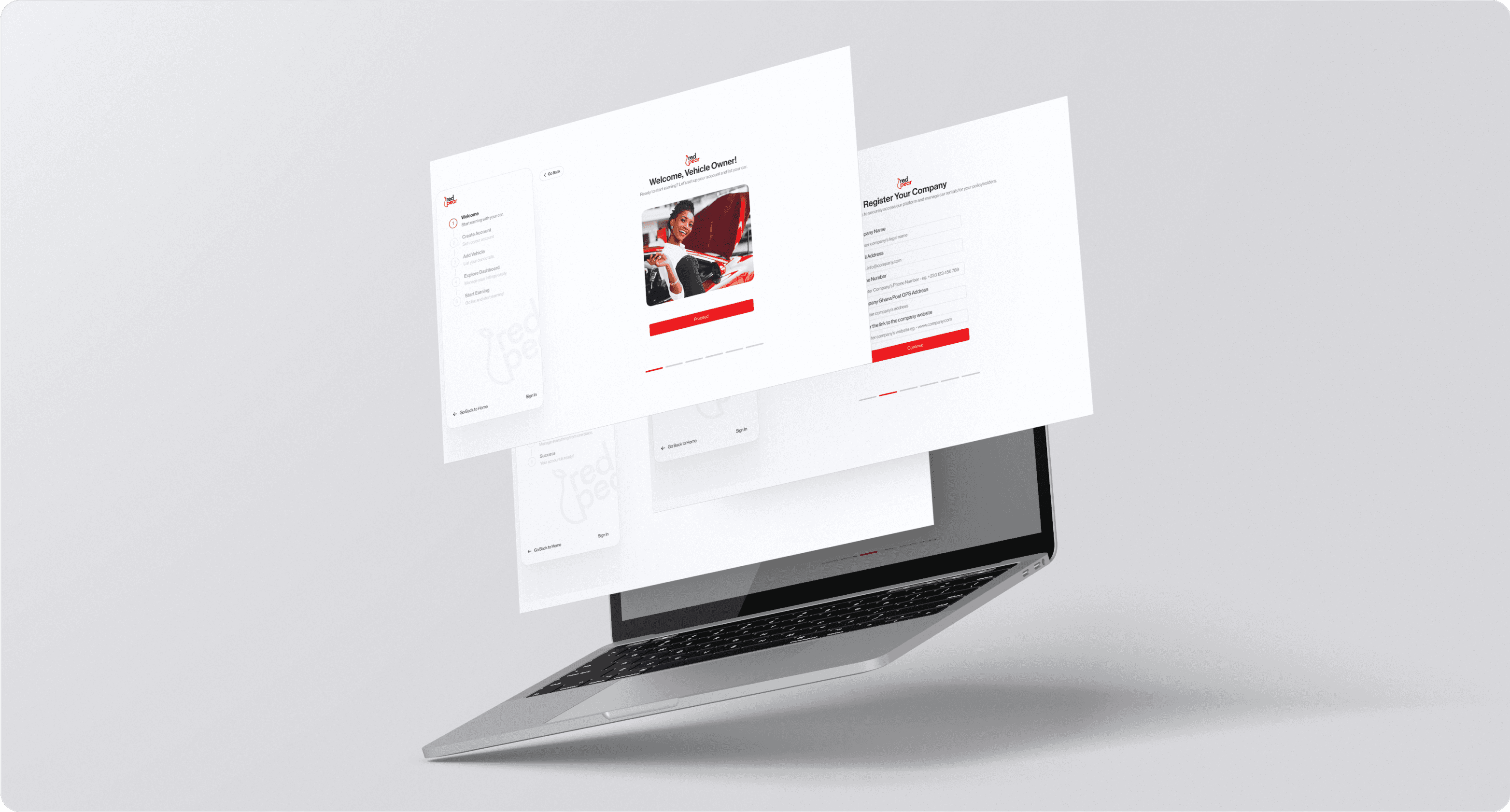
Designing wireframes and prototypes: I mapped out the flow for creating bids, reviewing available vehicles, sending offers, and confirming bookings.
Iterating based on feedback: User testing surfaced issues with long forms and unclear bid statuses. I refined the UI to feel lighter, clearer, and more intuitive.
Collaborating with developers for final implementation: I worked closely with engineers to ensure real-time notifications, responsive layouts, and secure booking flows matched the design vision.
The Problem
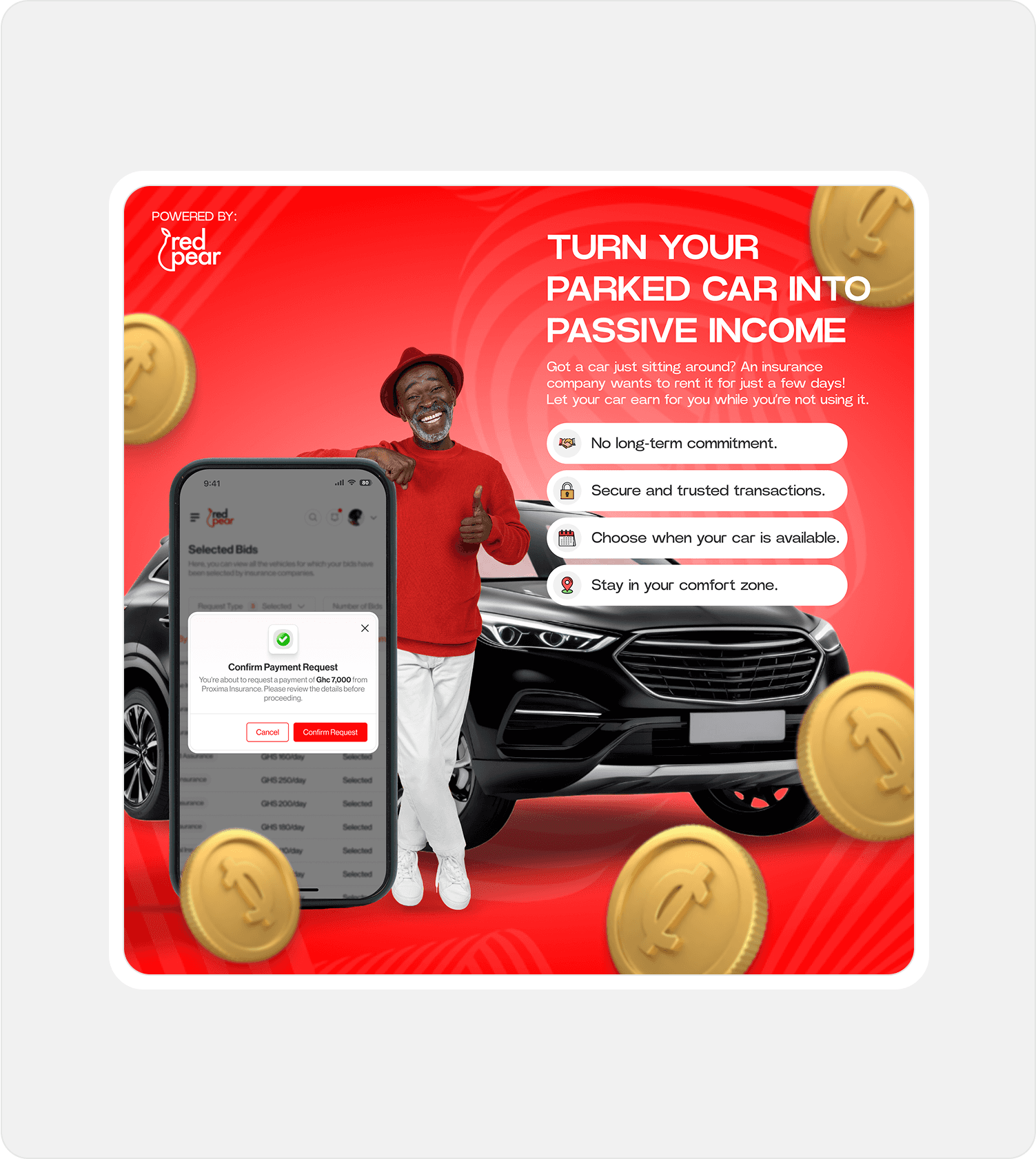
Insurance companies often struggle to find temporary replacement cars quickly. Vehicle owners handle bookings informally, leading to pricing confusion, delays, and miscommunication. There was no structured system to manage requests, verify availability, or track booking status. The challenge was to create a platform that delivers speed, clarity, and accountability for both sides.
The Solution
I designed RideShare to simplify the rental process and give both insurers and vehicle owners a reliable system they can trust.
User-Centered Design: The workflows guide both sides clearly, reducing back-and-forth communication.
Clear Interface: Simple layouts ensure users understand available cars, pricing, and bid status immediately.
Real-Time Feedback: Users receive instant notifications on bid responses, updates, and confirmed bookings.
Design Process
1
User Research
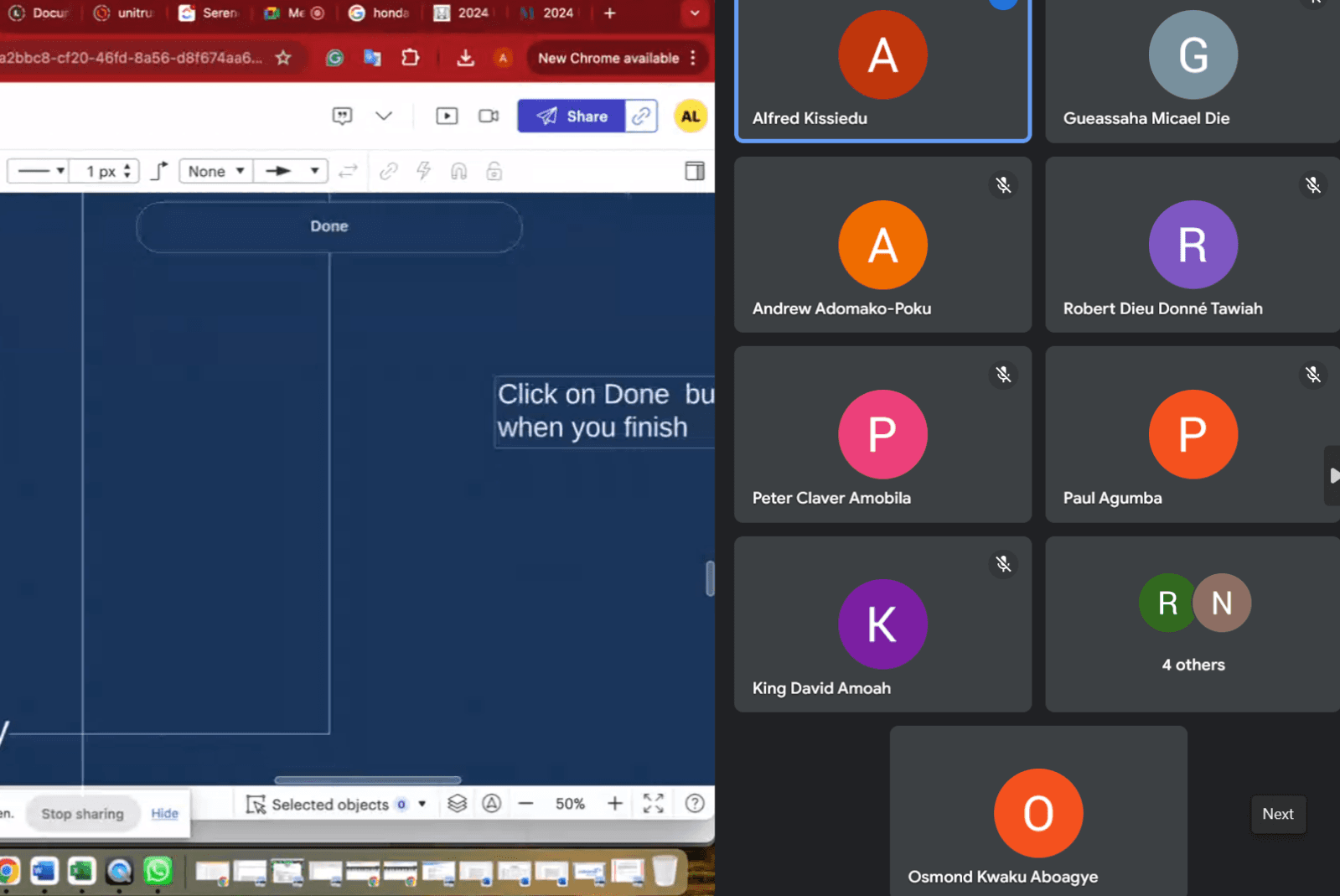
I interviewed insurance adjusters managing claims and vehicle owners offering cars for rent. Adjusters needed a fast way to compare vehicles and finalize replacements. Owners wanted transparency and guaranteed payments. These insights shaped the experience around clarity, trust, and speed.
2
Wireframing & Prototyping
I sketched initial wireframes outlining the bid creation, vehicle selection, and booking flows. I turned these into interactive prototypes that simulated the entire rental experience. This helped validate the flow, reduce unnecessary steps, and refine how users review and accept bids.
3
User Testing
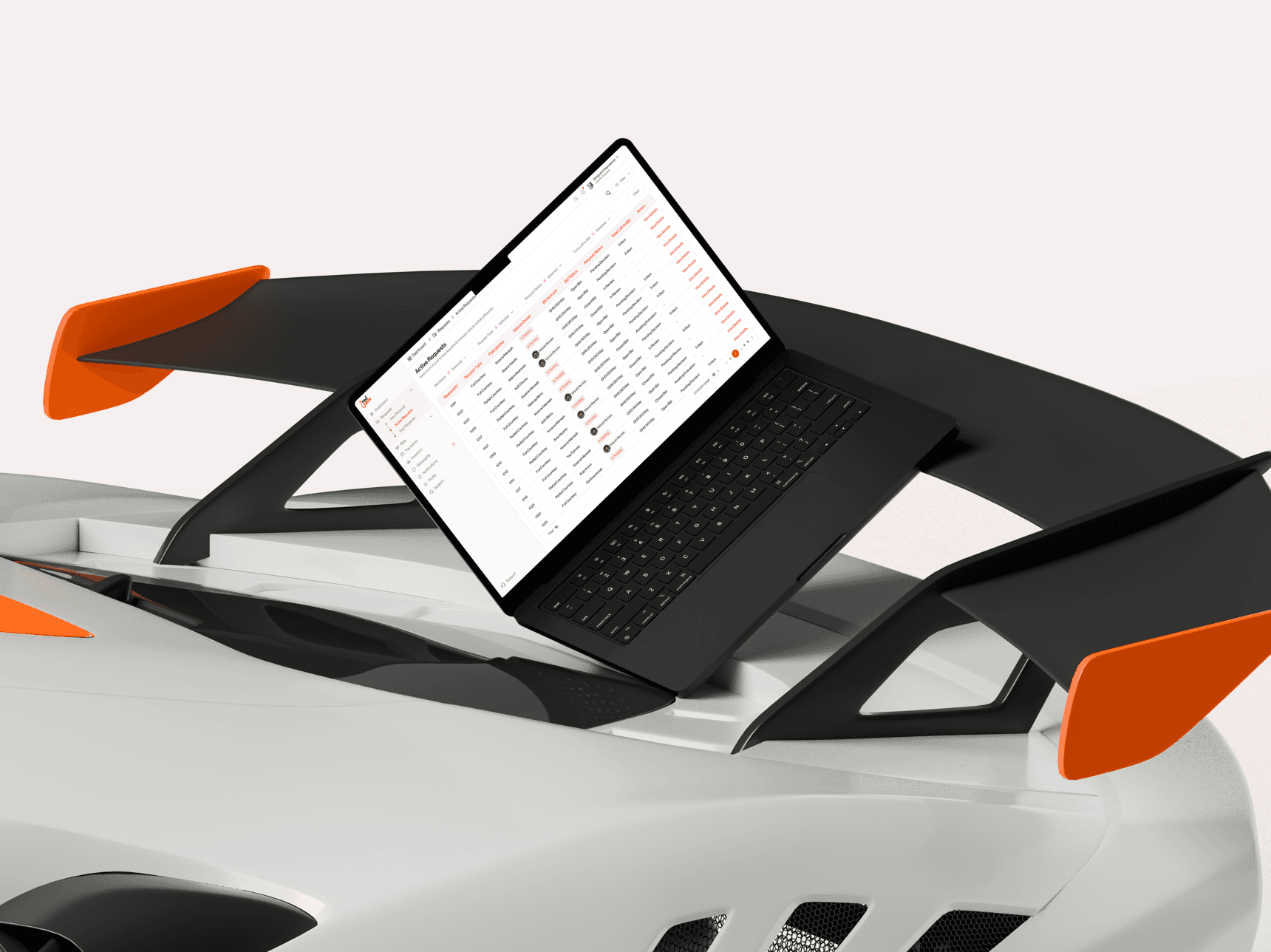
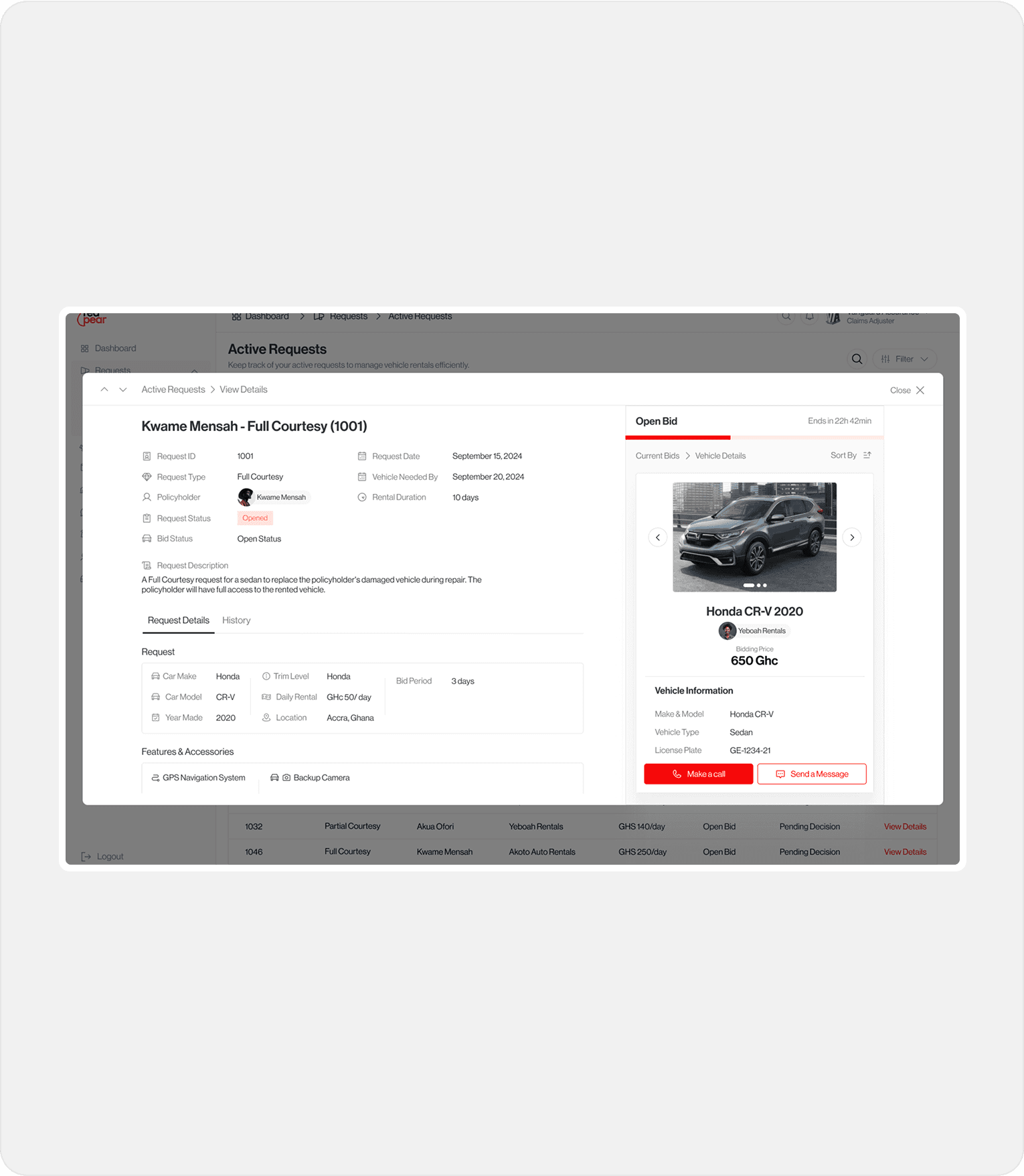
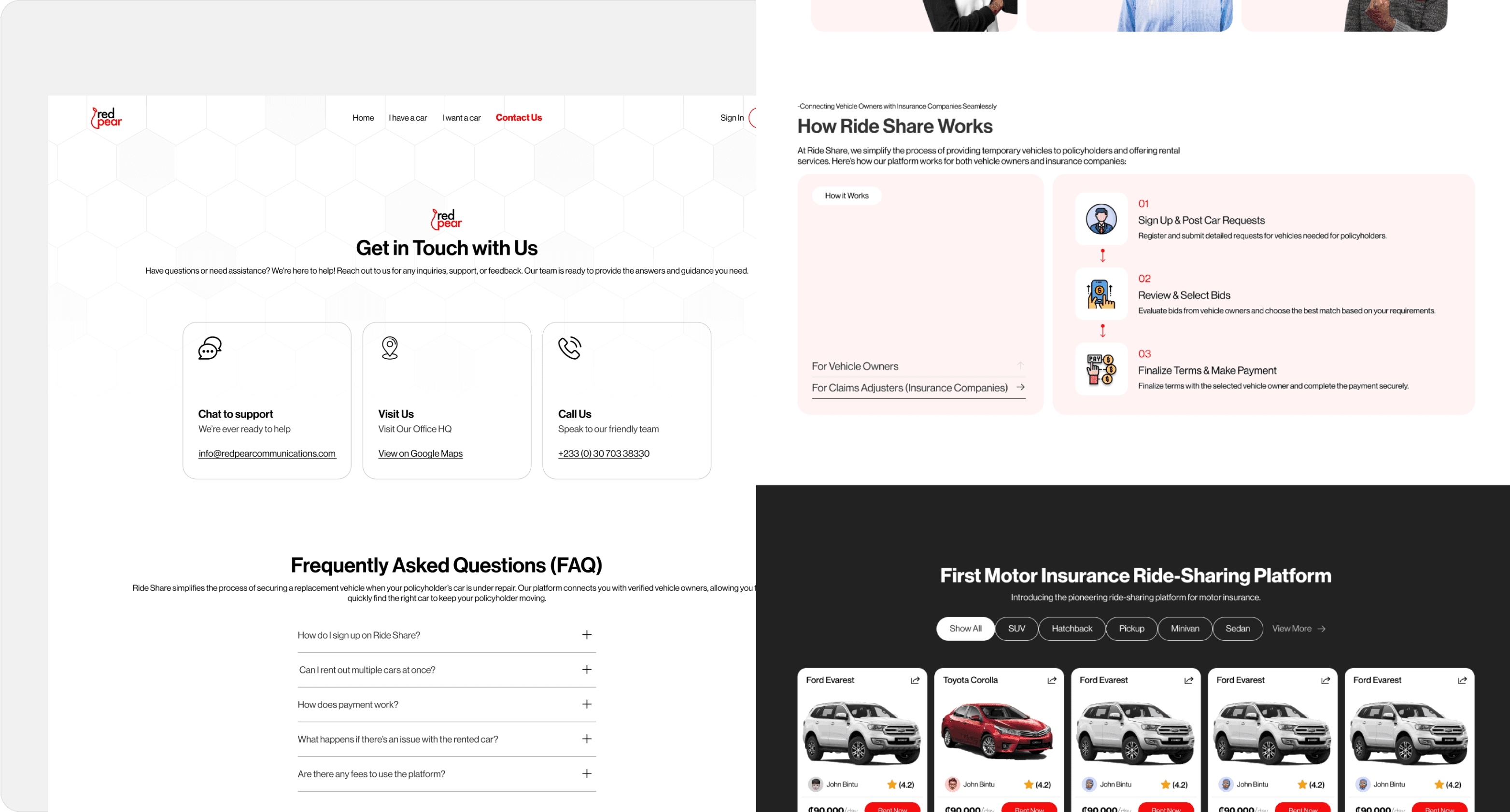
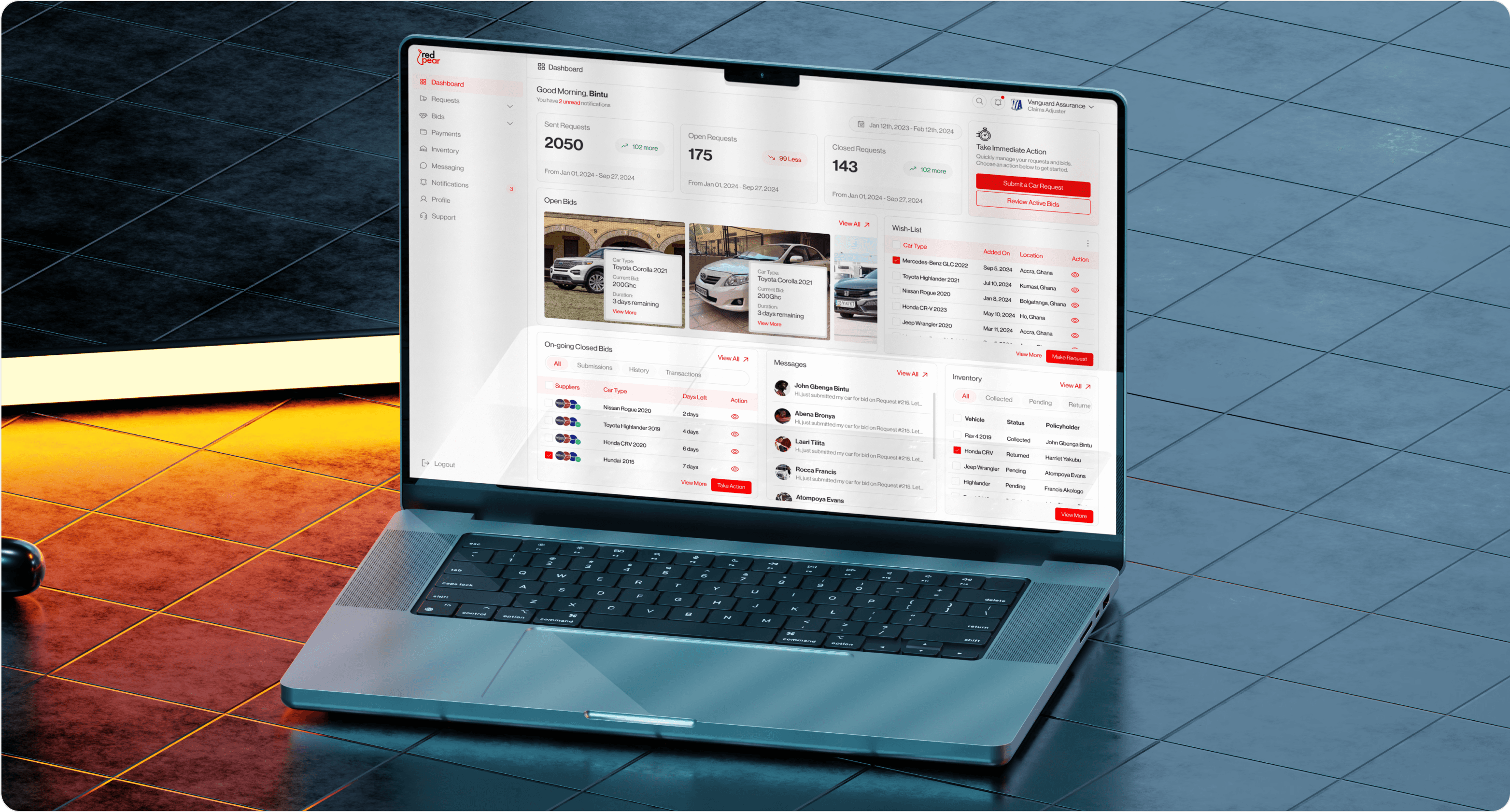
I tested the prototypes with insurance staff and car owners. Adjusters struggled with identifying eligible vehicles quickly, so I redesigned listing cards to highlight key details like availability, pricing, and distance. Owners needed a clearer view of incoming bids, so I added a simplified bid overview with call-to-action buttons.
4
Final Design
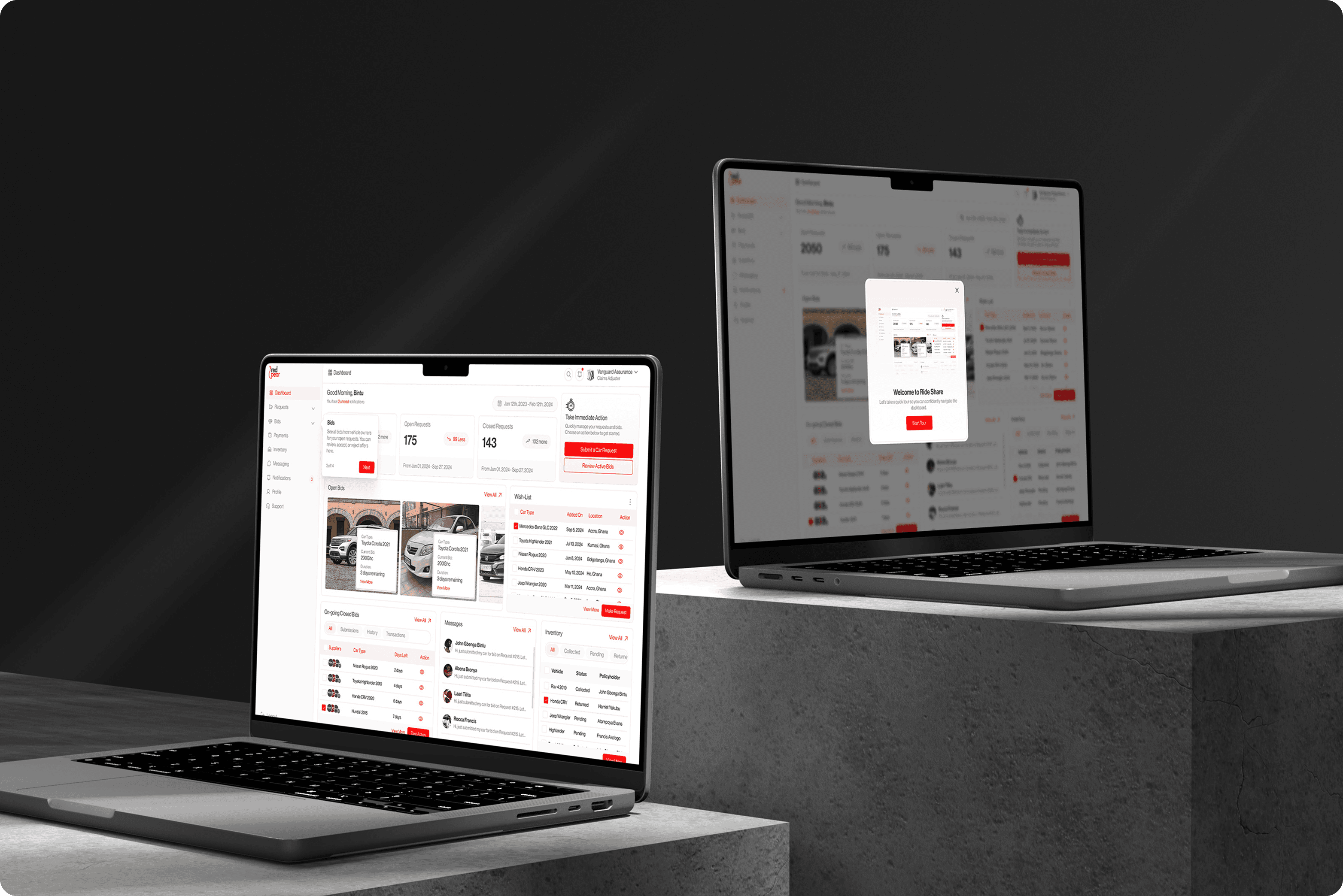
The final design delivers a clean and organized rental management experience. Users can review vehicles at a glance, send or accept bids in seconds, and track booking progress with clear status indicators. The UI emphasizes speed, trust, and reliability.
Challenges
I faced several challenges during the project:
1
Building trust between two independent user groups: Both sides needed reassurance around legitimacy, pricing, and booking confirmation.
2
Designing an efficient bid workflow: The goal was to minimize steps while ensuring clarity for both insurers and car owners.
What I Learnt
This project helped shape my approach to designing two-sided platforms.
User feedback is crucial: Testing revealed confusion points around bids and confirmations that the team hadn’t anticipated.
Iterative design improves clarity: Each round of refinement made the system more intuitive and predictable.
Trust is a design element: Small decisions like status labels, verification tags, and transparent pricing improved user confidence.

Impact
The platform showed strong early adoption and positive reception.
User Satisfaction: Both adjusters and owners reported smoother communication and faster rental completion.
Efficiency: The structured bid flow reduced back-and-forth messaging and shortened replacement times.
Engagement: Vehicle owners were more responsive with real-time notifications and clear requests.
Conclusion
This project reinforced the importance of clarity and structured communication in two-sided platforms. By focusing on a reliable workflow, transparent information, and real-time updates, I created a system that makes temporary vehicle replacements faster and more organized for everyone involved.